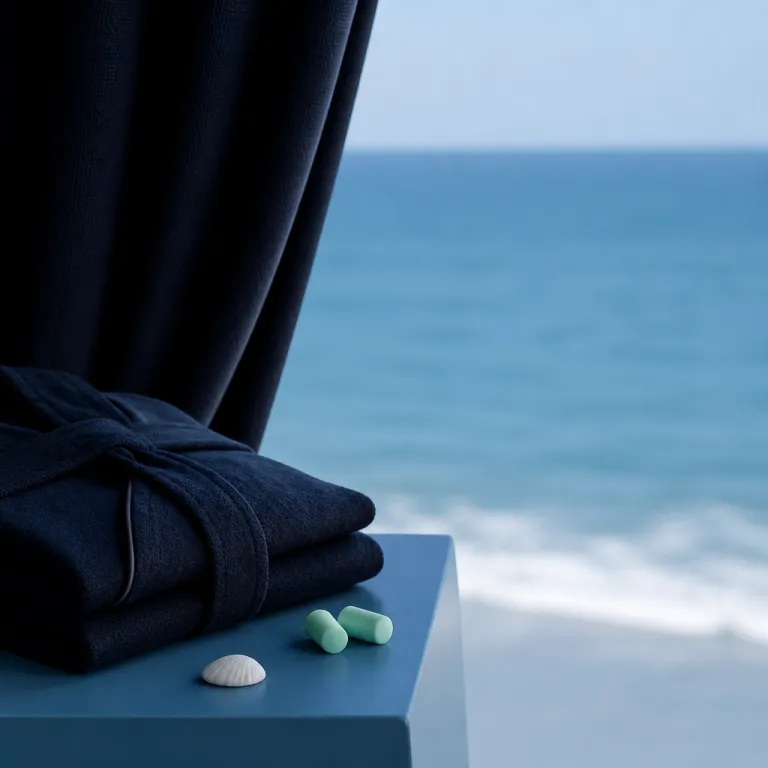
Quiet luxury hotel summer 2026: why silence is the new ocean view
For the quiet luxury hotel summer 2026 trend, the real status symbol is not a bigger suite but a lower decibel count. Couples who once chased the best beach hotels now ask how a hotel manages sound, guest flow and digital noise during the busiest night of the season. When you book your dates for a romantic escape, the question becomes simple yet radical ; will this luxury hotel let your conversation breathe.
Hilton’s hushpitality concept and Accor’s quiet luxury positioning both reflect a shift ; privacy and calm are now the premium layer on top of traditional luxury. Data from high end travel advisors shows that most luxury guests can instantly spot hotels designed for mass appeal, so they are willing to pay more for properties where the pool, the hotel spa and even the kids club are engineered for serenity rather than spectacle. That is why the quiet luxury hotel summer 2026 moment feels like a reset for couples who value a soft spoken lobby over a grand hotel entrance.
Silence focused hotels treat sound as carefully as design forward architecture or the best rooms layout. Acoustic panels, soft closing doors and carpeted corridors matter as much as the infinity pool, because they protect the intimacy of the rooms and the private terraces where couples linger late at night. In this new season of hushpitality, the best boutique style addresses are not defined by size but by how the entire hotel feels like a cocoon from the louder travel community outside.
How hushpitality works: from sound engineering to digital quiet
Hushpitality is the operational side of the quiet luxury hotel summer 2026 trend ; it is what you feel when a property is full yet strangely calm. Architects and hoteliers now design hotels with layered sound buffers, routing guests away from rooms so that the walk to the pool or hotel spa never passes directly by sleeping spaces. The result is a luxury hotel that feels intimate even when every room is sold on a peak August night.
True hushpitality goes beyond architecture into service choreography, with teams timing housekeeping, in room dining and kids club activities to avoid corridor chatter during rest hours. Couples notice when a hotel trains its équipe to lower voices after dark, to check arrivals discreetly and to manage beach clubs access so that music never bleeds into the quiet wing. This is where the difference between a grand hotel built for events and a property tuned for romance becomes obvious, and why a supposedly best boutique address can still feel noisy if guest flow is not controlled.
Digital silence is the final layer, and it matters as much as the physical view from your balcony. Many of the most thoughtful hotels now create phone free zones near the infinity pool, or offer silent breakfast terraces where screens stay in rooms and couples simply watch the light change over the beach. If you want to understand how a 2 000 room stay can feel theatrical while a smaller luxury stay can feel like home, read this analysis of how scale affects atmosphere on intimate versus mega hotel experiences.
Where silence sells out first: Europe, islands and tropical hush
Peak season quiet is hardest to deliver on the Mediterranean, which is exactly why the quiet luxury hotel summer 2026 wave feels so valuable along the French Riviera. On the Côte d’Azur, the most romantic hotels now push noisy events to beach clubs off site, keeping the main pool and the best rooms reserved for guests who want to hear only cutlery and waves. Couples who book early secure rooms with a view over gardens rather than the road, proving that the best luxury is sometimes the absence of a soundtrack.
In Italy and Greece, design forward coastal hotels are rethinking how they use space, turning rooftop bars into silent sunset decks and moving the livelier beach hotels scene to a separate strip of sand. A grand hotel on the Amalfi coast might now offer a private wing where every room has a private terrace, a small plunge pool and strict limits on outside visitors, while a Cycladic hideaway in Greece caps the number of non resident guests at its restaurant. These choices protect the feeling of a private island without the isolation, and they align perfectly with couples who want to travel light yet sleep deeply.
Farther afield, the quiet luxury hotel summer 2026 trend is reshaping tropical escapes in Costa Rica and beyond, where jungle lodges and beach hotels are limiting motorized sports and late night music. Properties in Costa Rica that once marketed adventure now highlight dawn bird calls, candlelit paths and rooms with natural ventilation instead of loud air conditioning. For a sense of which openings are already worth planning around, explore the curated list of silence leaning properties on summer openings worth booking weeks ahead.
Romantic silence: from private islands to wellness retreats
For couples, the quiet luxury hotel summer 2026 movement is less about status and more about how a stay feels hour by hour. A room with a modest view but perfect sound insulation can be more romantic than a sea facing suite above a noisy pool, because it lets you hear each other breathe at night. That is why many favorite hotels now offer clearly labeled quiet floors, private plunge pools and late checkout options that respect the slow rhythm of a two person retreat.
Some of the most interesting examples sit outside classic resort circuits, in places where wellness and silence already shape the community. Silent retreat hosts such as Gravity Commons in Indianapolis, Silent Stay Retreats in Santa Barbara, Heritage in rural Georgia, Spirit Rock Meditation Center in California, Laity Lodge in Texas, Zoetic River, Dayspring Silent Retreat Center in Maryland, Kripalu Center for Yoga & Health and Timber Creek Retreat House have long understood that “A silent retreat is a period dedicated to silence and meditation, promoting inner peace.” Their model of guided meditation, nature walks and digital detox is now influencing how luxury hotels program their hotel spa menus, from Costa Rica to the French Riviera.
Island resorts are also leaning into hush, with private island stays in the Indian Ocean and the Caribbean limiting helicopter transfers to certain dates and routing arrivals by boat to soften the first impression. Properties such as Habitas AlUla in Saudi Arabia show how design forward desert architecture, low lighting and minimal amplification can create a sense of boutique luxury without any need for the overused boutique hotel label. For couples planning a long haul escape, a refined virtual planning tool such as this virtual trip to Tahiti for romantic hotel planning can help you check how a hotel balances family friendly features like a kids club with the promise of adult only quiet zones.
FAQ: silent luxury stays and hushpitality
What is a silent retreat and how does it relate to quiet hotels ?
A silent retreat is a structured stay where guests limit speech, follow guided practices and embrace digital detox to cultivate inner calm. Many quiet luxury hotel summer 2026 properties borrow elements from these retreats, such as silent breakfast hours, meditation corners and nature focused activities. The goal is not strict silence but a softer soundscape that supports rest, reflection and romantic connection.
Who can attend silent style retreats within luxury hotels ?
Any guest seeking mental clarity and relaxation can join silent inspired programs, regardless of meditation experience. Luxury hotels often integrate these offerings into their hotel spa or wellness schedule, making them accessible to couples, solo travelers and even family friendly groups with clear guidelines. When you book, check whether sessions are secular, optional and compatible with the way you like to travel as a pair.
Are hushpitality and quiet luxury only for remote locations ?
Location helps, but hushpitality is more about design and operations than remoteness. A city hotel near the French Riviera or on the Côte d’Azur can feel calmer than a remote property if it uses strong soundproofing, smart guest flow and strict limits on event noise. Remote does not always mean quiet, so always ask how the hotel manages music, beach clubs and late night service before you confirm dates.
How far in advance should I book a quiet focused luxury stay ?
Silence sells out quickly because these hotels usually have fewer rooms and more demand from repeat guests. For the quiet luxury hotel summer 2026 season, aim to book at least three to four months ahead for Mediterranean or private island stays, and slightly less for Costa Rica or wellness retreats in the United States. Always check flexible cancellation policies so you can adjust dates without losing the chance to secure the best rooms.
What should I bring to make the most of a silent leaning stay ?
Pack comfortable clothing, personal toiletries and a journal, then add analog pleasures such as a printed book or sketchpad to replace screen time. Noise cancelling earphones can help on flights, but once at the hotel, let the property’s hushpitality do the work and keep devices on airplane mode whenever possible. Many guests also bring a small travel yoga mat to use on private terraces at sunrise, turning a simple room with a view into a personal retreat space.