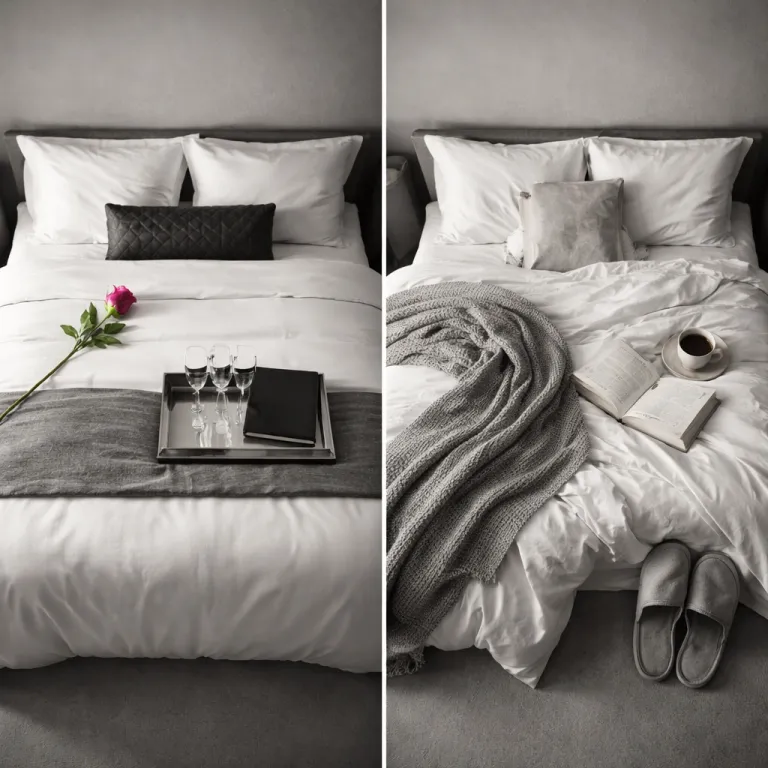
The two personalities of modern luxury hotels
Luxury hotel value for money starts with understanding which kind of stage you are walking onto. Some luxury hotels now fall into two clear personalities ; the performative hotel built as theater for social media, and the resident hotel designed as a private retreat where couples actually live for a few night stays. For business leisure couples extending a work trip, that difference shapes whether the hotel feels like real life or like a temporary film set.
Performative luxury is easy to spot if you read the photos like a script. You will see a star hotel lobby with dramatic floral installations, a high ceiling bar glowing in purple, and a spa corridor lit like a fashion show rather than a place for quiet recovery. These hotels often sit in the city center, from bangkok to york city, promising the best views and the cheapest looking online deals, yet the average cost per night climbs once you factor in mandatory extras.
Resident style luxury hotels look calmer on the page, and that is the point. Images focus on the bed, the terrace, the private dining table and the view at blue hour, not the lobby performance or the three tier dessert trolley. When you compare hotels in the same city, the resident property may show thicker curtains, a proper work desk for business travel, and a simple but good spa rather than a high drama water park.
For couples, the romantic question is simple but rarely asked clearly. Do you want your luxury experiences to be about being seen in the hotel, or about feeling unseen together inside the room where time slows down ? The answer determines whether you should pay for the star hotels that behave like a tour attraction, or for the quieter luxury hotel that treats you as a returning resident rather than a passing spectator.
Look closely at the minibar and bathroom shots when you scroll. Theater hotels line up half price Champagne promotions, neon lighting and branded amenities that photograph well but rarely improve your sleep or your intimacy. Resident hotels invest that same lot money into better mattresses, thicker walls and in room dining that arrives hot, which is where luxury hotel value for money becomes very real on a rainy night when you skip main restaurant reservations and stay in.
On romantic-stay.com, we treat each hotel photo gallery as a data set. We ask whether the main content shows couples actually using the room, or whether every frame is composed like an advertisement for the city best skyline. That simple filter helps you find luxury hotels where the experiences match the price, especially when you are deciding which nights to expense to the company and which nights to pay personally.
How price distorts romance: what you really buy at 2,000 dollars a night
Once you cross a certain price threshold, luxury stops being linear. A 2,000 dollar luxury hotel suite rarely feels three times more romantic than a 700 dollar room, because the extra spend often funds performance rather than intimacy. The gap between performative and resident hotels becomes clearest when you examine what is actually included in that high nightly rate.
At the top end, you are often paying for amenities you did not ask for. Think of turndown theater with petals and scripted notes, lobby performances every night, and elaborate minibars curated more for Instagram than for a quiet nightcap. These hotels can be thrilling for a first time tour of a new city, yet couples extending a business trip quickly notice how little of that spectacle they actually use in daily life.
By contrast, a well run 700 dollar room in a serious star hotel can feel like a private apartment. You are buying silence, water pressure, blackout curtains and a bed that respects your spine after a long flight, not just a view of the city. For romantic stays, that is where luxury hotel value for money becomes tangible ; you feel rested enough to enjoy the city together rather than recovering from the hotel itself.
Data backs up the pricing distortion. Wellness integrated properties now post 20 to 35 percent higher average daily rates, yet many couples only use the spa once during a three night stay, which means the effective cost of that single massage can rival a fine dining tasting menu. When Hotels.com released the 2025 Hotel Price Index, the report underlined that domestic five star hotels are on average 21 percent cheaper than international equivalents, which quietly shifts where the best hotels for value may actually sit.
For business leisure travelers, the calculus is nuanced. You might expense the first two nights in a high drama luxury hotel near the client office, then move to a quieter affordable luxury address for the weekend where you and your partner pay personally. In that second hotel, you want fewer lobby theatrics and more reliable in room breakfast, because romance at 07.00 often looks like coffee arriving on time rather than a surprise violinist.
Couples who care about sustainability add another layer to the decision. Quiet, resident style luxury hotels increasingly align with low key eco practices, from reduced waste in fine dining to energy conscious spa operations, which can make them feel more honest than the flashier addresses. If that resonates, read our guide to romantic eco friendly hotel booking and sustainable luxury before you lock in a rate, because values and value for money often intersect in the same properties.
The resident advantage: why 700 dollars can feel like home
Resident style luxury hotels are built for return guests, and you feel it immediately. Corridors are quieter, service is less performative, and staff remember how you take your coffee by the second morning. For couples, that familiarity turns a standard star hotel stay into something that feels closer to a temporary home than a stage set.
What does 700 dollars buy in these hotels that 2,000 dollar theater suites sometimes miss ? Start with construction quality ; thicker walls, better acoustic insulation and doors that close softly mean you hear your partner breathing, not the elevator bell. Add mattresses chosen for long term comfort rather than dramatic height, and suddenly a three night stay leaves you rested enough to enjoy both the city and each other.
In room dining is another quiet marker of luxury hotel value for money. At resident hotels, the menu reads like a condensed version of the fine dining restaurant downstairs, and dishes arrive at the correct temperature, on proper china, without the sense that you are inconveniencing the kitchen. That matters on nights when business runs late and your romantic plan becomes a shared plate of pasta on the sofa, with the city lights outside and no need to dress for the lobby.
Technology also separates the two personalities. Theater hotels often invest in complex lighting systems and tablet controls that photograph well but frustrate tired travelers who just want to turn everything off at once. Resident hotels tend to keep controls intuitive, which sounds minor until you are navigating time zones, jet lag and a partner trying to sleep while you answer late emails from york city or kuala lumpur.
For business leisure couples, the split between what the company pays and what you pay personally is crucial. Many executives now expense the functional part of the stay in a central star hotel near the meeting venue, then shift to a slightly cheaper but more residential luxury hotel for the weekend, where the average cost per night may be lower but the perceived value is higher. Our deep dive on why a 2,000 dollar room can feel like theater while a 700 dollar stay feels like home unpacks this pattern with concrete examples.
Hotels.com notes that “Luxury hotels in the USA range from $300 to $600+ per night.” That range overlaps with the sweet spot where four and five star hotels often deliver the best balance of service, privacy and price, especially in domestic markets where taxes and transfers add less friction. When you treat that band as your default and only move above it for very specific reasons, you protect both your budget and the quality of your shared experiences.
Reading value in specific cities: bangkok, kuala lumpur and beyond
City context changes everything about luxury hotel value for money. In bangkok, for example, a riverfront luxury hotel with a serious spa and strong in room dining can cost less than a midtown star hotel in a Western financial hub, yet the romantic payoff is often higher. The same pattern appears in kuala lumpur, where a well located lumpur hotel can feel indulgent without straining a business leisure budget.
Take the mandarin oriental properties in major Asian capitals as a reference point. In bangkok and kuala lumpur, the brand often delivers high touch service, strong wellness programs and refined fine dining at an average cost that undercuts equivalent luxury hotels in Europe or north america. When you compare hotels across regions, remember that a 500 dollar night in Asia can buy a level of private space and service that might cost double in a city like york city.
For couples extending a work trip, this geographic arbitrage is powerful. You might accept a compact room in a central star hotel for the meeting days, then move to a riverside or park side luxury hotel for the romantic extension, where the same budget buys a larger suite, a better spa and a quieter pool deck. That shift turns a functional business journey into one of the best shared experiences of your travel life without necessarily spending a lot money more overall.
Hotel deals also behave differently by city. In some destinations, last minute offers can bring five star hotels close to half price compared with peak season, while in others the cheapest visible rate hides mandatory resort fees that erode value. Reading the fine print on inclusions, especially breakfast and spa access, is as important as scanning the main content of the booking page, because those details shape how the stay actually feels.
Our editorial team often pairs properties at similar price points to test value. In bangkok, a flashy rooftop focused luxury hotel might charge the same as a quieter riverside address with fewer photos but better guest reviews, yet the second option usually wins for couples who care about sleep and privacy. In kuala lumpur, a central mall connected lumpur hotel can look convenient, but a slightly more secluded property with strong in room dining and a calm pool deck may deliver a better romantic return on each night.
As you plan, think in pairs and trade offs rather than in isolation. Ask which hotel in the city best matches your priorities for this specific trip, not which one looks the most luxurious in abstract. For design lovers, our feature on the rebirth of an art deco icon in miami beach shows how a property like the Delano can balance history, romance and value ; read it under the anchor art deco icon reborn when you are weighing style against price.
Key figures shaping luxury hotel value for money
- Hotels.com reports that domestic five star hotels are on average 21 percent cheaper than comparable international properties, which means staying close to home can significantly improve luxury hotel value for money for couples planning several trips a year.
- Industry analyses show that wellness integrated luxury hotels often command 20 to 35 percent higher average daily rates, so travelers who rarely use the spa may be overpaying for amenities that do not materially enhance their romantic experiences.
- Market research from TripCostGuide indicates that four star hotels frequently deliver the best balance between price and service, confirming that many travelers find more consistent value just below the top tier of star hotels.
- Data from Hotels.com highlights that luxury hotels in the United States typically range from 300 to more than 600 dollars per night, a band where many resident style properties offer strong privacy, reliable service and good in room dining for business leisure couples.
- Luxury Intel rankings show that some of the best hotels for repeat guests sit in the affordable luxury segment, where investment in sleep quality and discreet service often outweighs spending on lobby spectacle and theatrical amenities.