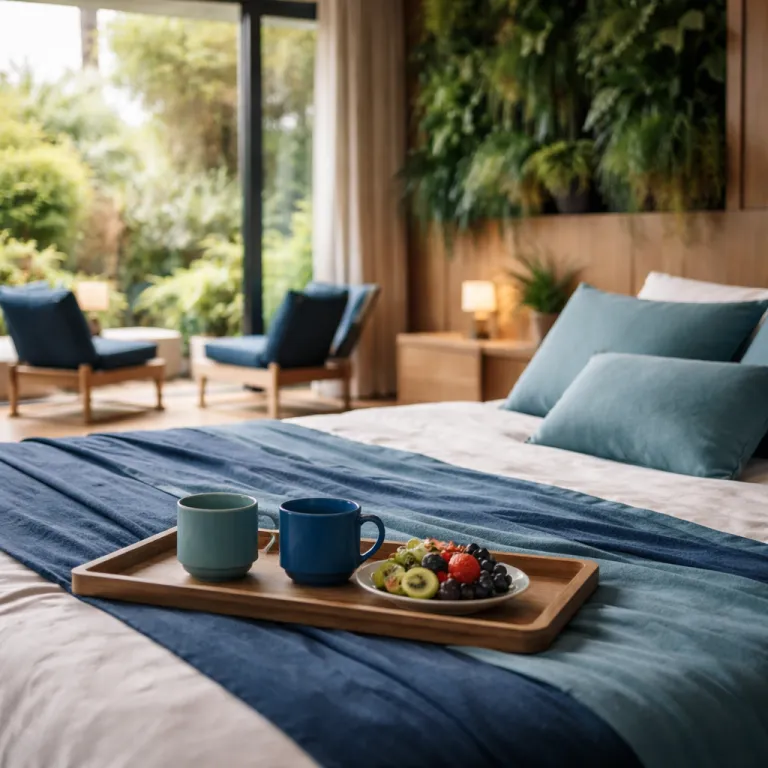
What a biophilic luxury hotel suite really does for couples
A biophilic luxury hotel suite is not about a few potted plants. It is a complete architecture design approach that uses natural light, organic textures and calibrated views to connect nature with every private moment. When biophilic design is done well in luxury hotels, couples feel the stress drop within minutes and the room quietly becomes a nature space where conversation slows, breathing deepens and time in the suite suddenly feels as valuable as any excursion.
At Kimpton Blythswood Square Hotel in Glasgow, the experimental suite La Chambre Verte showed how far this can go. The hotel partnered with Scottish skincare house La Rue Verte, horticultural specialists Benholm Group and sound designer Brian D’Souza to create an immersive biophilic luxury hotel suite that measured psychological and physical responses to greenery, CBD rituals and sound therapy. One project summary captured it clearly in a single line : “What is biophilic design? Biophilic design integrates natural elements into built environments to enhance human well-being.”
For couples, that well-being translates into intimacy. A thoughtfully layered interior design scheme uses floor ceiling windows, warm timber, stone and soft textiles to echo the natural environment rather than fight it. When you choose hotels or hotels resorts that invest in this level of biophilic design, you are effectively paying for a private retreat that behaves more like a calm house in the forest than a conventional city hotel room.
How biophilic suites change sleep, touch and time together
Romantic travel is rarely about how many sights you tick off. It is about how a hotel, or a cluster of quiet hotels innit style properties, can slow your shared rhythm so you actually notice each other again. In a biophilic luxury hotel suite, the combination of natural materials, tuned acoustics and carefully framed views changes how long you stay in bed, how often you reach for your phone and how easily you fall asleep.
Design teams now treat circadian lighting, air quality and acoustic masking as invisible luxuries on par with a plunge pool. When a suite uses biophilic design to pull daylight deep into the space, align the bed with views of trees, a bay or a city garden, and soften echoes with natural fibres, couples report longer sleep and more unhurried mornings. That is why many of the most romantic hotels in urban settings, from Milan to Doha, are quietly reworking suites so guests can connect nature without leaving the city grid.
The Glasgow experiment with La Chambre Verte added another layer by pairing lush planting with CBD skincare rituals and Brian D’Souza’s soundscapes. Guests could move from a rainfall shower to a meditative lounge chair, wrapped in natural textures while ambient audio mimicked a forest edge or distant shore. If you are comparing options on a premium booking platform, look for suites that talk about sensory wellness rather than just spa access, the way some of the most romantic hotels in San Antonio for couples now frame their offers in depth rather than clichés on curated romantic escapes.
Reading photos and plans : what images reveal, what they hide
Most couples will meet their next biophilic luxury hotel suite through a photo gallery. The challenge is that a single hero photo can flatter a weak layout, while a modest image can hide exceptional interior design and architecture design. When you scroll through images of hotels and hotels resorts, train your eye to read the relationship between bed, windows and any nature space beyond the glass.
Start with the windows. Floor ceiling glazing that opens onto trees, a courtyard, a bay or even a small planted terrace usually signals a stronger commitment to biophilic design than a single plant on a side table. Check whether the bed is oriented toward those views, whether there is a comfortable left side lounge chair or daybed positioned to connect nature with reading or coffee time, and whether artificial lighting looks warm and layered rather than harsh.
Next, look for honest details. Can you see natural stone, timber, linen and textured rugs rather than shiny laminates in the photo set ? Do the images show transitions between indoor and outdoor areas, such as sliding doors to a small terrace, or is everything sealed behind glass ? When you compare this to suites in destinations famed for scenery, such as the best romantic hotels in Santorini with luxury views highlighted on specialist romantic guides, you will notice that the most successful rooms treat the view as part of the furniture plan, not an afterthought.
From islands to cities : where biophilic suites feel most romantic
Some of the clearest expressions of the biophilic luxury hotel suite sit on remote coasts and islands. Resorts such as Nihi Sumba in Indonesia, Amankora in Bhutan or The Brando in French Polynesia use open pavilions, deep overhangs and private pools to blur the line between villa and landscape. In these hotels resorts, the suite is often a freestanding house like structure where couples can move barefoot from bed to deck to pool while staying wrapped in the natural environment.
Across Asia, you see similar thinking in properties such as Alila Villas in Uluwatu, where villas uluwatu style layouts use courtyards, water features and long sightlines to connect nature with every room. In Bali Indonesia and Lombok Indonesia, projects such as Joali style retreats or the coastal hideaway Innit Lombok show how timber, stone and open air bathrooms can create a deeply sensual, yet still luxurious, atmosphere. When you browse a design hotels collection or a curated list of hotels innit branded properties, pay attention to how many suites offer genuine indoor outdoor living rather than just a balcony.
Urban biophilic design matters just as much for couples who prefer culture to seclusion. Six Senses Milan, with its Earth Lab and focus on locally sourced natural materials, proves that a city hotel can feel as grounding as a resort when the suite is planned around light, plants and tactility. The same principle applies whether you are booking a romantic stay in Kyoto Japan, a waterfront escape in Bacalar Mexico at a place like Boca Agua or Agua Bacalar, or a refined coastal retreat on the Amalfi Coast via a dedicated guide to an Amalfi honeymoon package on specialist romantic-stay resources.
How to choose your next biophilic suite : a practical checklist
When you filter properties on a luxury booking site, start by shortlisting any hotel or resort that explicitly mentions biophilic design or a biophilic luxury hotel suite category. Then read beyond the headline to see whether they describe specific elements such as floor ceiling windows, natural stone bathrooms, integrated planting or circadian lighting. A serious project will talk about interior design and architecture design choices in concrete terms, not just use the word biophilic as decoration.
Location still matters. A room facing a quiet bay, a forest edge or a landscaped courtyard will always feel more restorative than one overlooking a car park, no matter how many plants sit inside. In Kyoto Japan, for example, suites at properties such as Genji Kyoto use shoji screens, timber and framed courtyard views to create a calm nature space even in dense neighbourhoods, while in Bacalar Mexico, retreats like Boca Agua and Agua Bacalar lean on lagoon views and shaded decks to connect nature with every daily ritual.
Finally, think about how you personally like to spend time together. If you tend to linger indoors, prioritise suites with generous lounge zones, a deep bath and a layout that feels more like a small house than a standard room, whether you are in Lombok Indonesia, Bali Indonesia or central Glasgow. If you are more active, look for hotels and hotels resorts that pair biophilic suites with guided walks, water activities or wellness programming, so the natural environment outside the room supports the same sense of ease you feel inside.
Key statistics on biophilic design and guest satisfaction
- One hospitality study reported an increase in guest satisfaction of 56 percent in properties that integrated biophilic design into rooms and shared spaces.
- Industry design coverage shows that guests are willing to pay a premium of up to 20 percent for suites with direct biophilic elements such as abundant natural light, greenery and strong views.
- Well planned biophilic suites that prioritise air quality, acoustic comfort and circadian lighting contribute measurably to longer stays and higher repeat booking rates among couples.
Frequently asked questions about biophilic luxury hotel suites
What is biophilic design in a hotel suite ?
Biophilic design in a hotel suite means integrating natural elements such as daylight, greenery, water, organic materials and views into the architecture and interior layout to support human well-being. It goes beyond decoration to influence how the bed is positioned, how air flows, how sound is absorbed and how guests move between indoor and outdoor areas. The goal is to help couples feel calmer, more rested and more connected to each other by feeling more connected to nature.
How does a biophilic luxury hotel suite improve relaxation ?
A biophilic luxury hotel suite improves relaxation by reducing sensory stress and aligning the space with natural rhythms. Features such as floor ceiling windows, soft daylight, plants, natural textures and gentle soundscapes lower heart rate and encourage slower breathing, which makes it easier to unwind together. When these elements are combined with wellness rituals, as in the La Chambre Verte experiment in Glasgow, the suite can feel closer to a private spa than a conventional room.
What should couples look for in photos before booking ?
When reviewing photos before booking, couples should look for evidence that nature is part of the layout, not just a backdrop. Key signs include generous windows with real greenery or water views, seating oriented toward those views, and visible use of wood, stone and textured fabrics instead of glossy finishes. If every photo focuses on styling props rather than the relationship between bed, window and outdoor space, the biophilic promise may be more marketing than reality.
Are urban biophilic suites worth the premium price ?
Urban biophilic suites are often worth the premium for couples who want cultural access without sacrificing calm. In dense cities, a room that offers quiet, filtered light, good air quality and a sense of refuge can transform how you experience the entire trip. Many guests find that they spend more time enjoying the suite itself, which increases the value of every night compared with a cheaper but more stressful room.
Can biophilic hotel design really affect relationships ?
Biophilic hotel design can influence relationships by changing how couples feel and behave in the room. When stress levels drop and sleep improves, people tend to be more patient, affectionate and present with each other. A suite that encourages slow mornings, shared baths, terrace conversations and screen free evenings can quietly support intimacy in ways that scripted romantic gestures rarely achieve.
References
- Ambius – research on biophilic design and guest well-being in hospitality.
- WATG and Wimberly Interiors – design reports on biophilia in contemporary luxury hotels.
- Six Senses – brand documentation on Earth Lab initiatives and material sourcing.