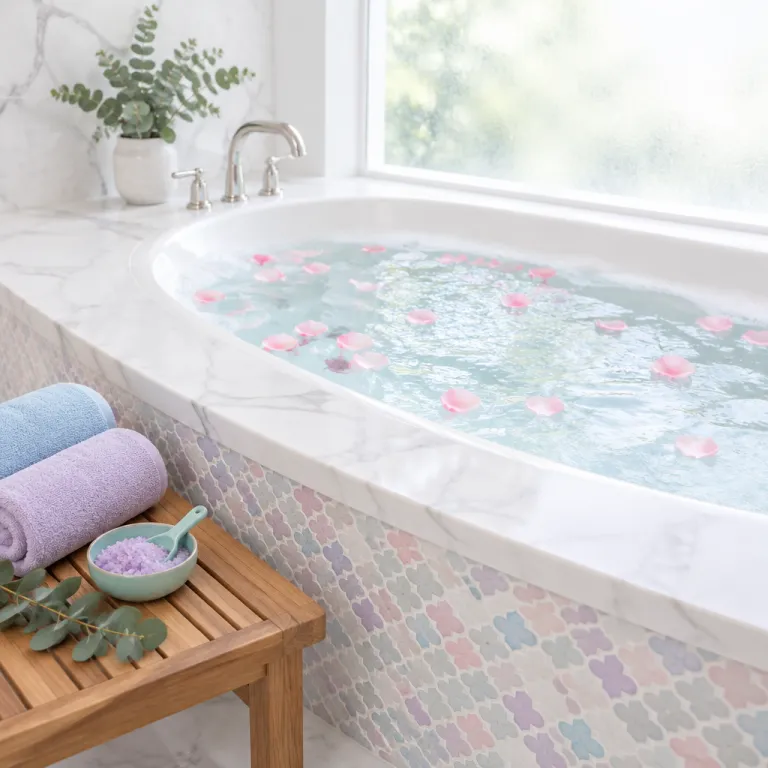
Why the shared bath beats the couples massage cliché
A couples thermal spa hammam stay in a luxury hotel changes how two people share silence. In a true thermal circuit, the focus shifts from a quick couples massage to a slower ritual where your bodies set the pace, not a therapist watching the clock. You move together between sauna, steam room and cold plunge, and the conversation softens into glances rather than small talk.
In many luxury hotels and larger resorts, the classic side by side massage is still sold as the default romantic option. Yet the most interesting properties now design their spa treatments around bathing rituals that allow deep relaxation without constant staff presence, so the intimacy feels private rather than performed. When you book a couples focused thermal spa or hammam hotel, look for language about thermal journeys, hot and cold contrast and private bathing spaces rather than just a list of massage types.
The difference is duration and control; a thermal ritual can stretch over more than one hour, with each minute shaped by how your body responds to heat and water. In many serious spa programs, couples are encouraged to allow at least 90 minutes for the circuit, with optional 30 minute extensions for rest or tea. You choose when to move from the hammam to the infrared sauna, when to cool down, when to simply lie back and enjoy the quiet. That freedom to linger, to adjust the temperature and to leave feeling unhurried, creates a shared memory that outlasts any synchronized back rub.
The anatomy of a serious couples thermal circuit
A credible couples thermal spa hammam luxury hotel builds its wellness spaces like a story, not a photo backdrop. The circuit usually starts with warm water or a gentle steam room that prepares the body, then moves into hotter zones such as a dry sauna or hammam before introducing cold contrast. Each step is designed to move circulation, calm the nervous system and open space for quiet connection.
Look for multiple treatment rooms dedicated to hydrotherapy rather than just massage cabins, because this signals that the spa team understands ritual rather than only quick services. A proper spa circuit might include a salt room for respiratory ease, a traditional steam room for cleansing, an infrared sauna for deep muscle warmth and a cold plunge or experience shower for recovery. When a hotel describes its wellness area as state of the art, ask whether that means thoughtful thermal zoning and red light or light therapy options, or simply glossy tiles and a heated pool.
Shared bathing also benefits from smart details such as a quiet relaxation room between heat experiences, where you can enjoy tea and talk softly without rushing. Some properties now program a couples wellness circuit as part of the stay, integrating access to the fitness center, thermal baths and a short therapy session rather than pushing only à la carte spa treatments. For a deeper dive into how hotels are programming these shared rituals, explore this guide to the couples wellness circuit and shared recovery.
From hammam to onsen: reading the global bathing vocabulary
Choosing a couples thermal spa hammam luxury hotel often starts with understanding the language of bathing traditions. A hammam emphasizes moist heat, marble benches and slow exfoliation, while a Japanese onsen centers on mineral rich hot springs and respectful quiet. Nordic style circuits focus on sharp hot and cold contrast, with sauna, cold plunge and outdoor air all playing a role in how your body resets.
Destinations where bathing culture is woven into daily life tend to deliver more authentic wellness experiences for couples. In Japan, an onsen hotel will often design the room layout so that private soaking tubs overlook gardens or mountains, turning every minute in the bath into a shared ritual rather than a quick wash. In parts of the United States and Europe, thermal towns have grown around natural springs for more than a century, and the best hotels there still treat water as the central element of the stay.
When you book, read the spa menu carefully to see whether the hammam or onsen is central or just a decorative add on. A serious property will describe water temperature, sequence and etiquette, and may offer guided therapy session options that teach you how to use the baths as a couple. For an example of how a rainforest property builds romance around thermal style soaking and spa treatments, consider the way a Costa Rican retreat might position its romantic wellness escapes in the Arenal region.
How to read a spa menu like a wellness insider
Not every couples thermal spa hammam luxury hotel delivers the same depth of wellness, and the spa menu is your first filter. Start by counting how many pages are devoted to spa treatments that involve water, heat and rest, versus how many are simply massage variations with different oils. When bathing rituals, thermal journeys and time in the sauna or steam room are foregrounded, you are more likely to find a spa designed for real recovery.
Pay attention to how the hotel describes its treatment rooms and thermal spaces, because vague language often hides a basic heated pool with little thought to sequence. Clear references to a salt room, infrared sauna, light therapy or red light options and quiet relaxation lounges suggest a more intentional approach. If the menu mentions a complimentary extension on certain rituals, that can indicate a willingness to prioritize deep relaxation over strict turnover.
Also look at how the fitness center is integrated into the wellness narrative, since serious hotels see movement, heat and rest as one continuum. When a property invites you to enjoy the gym before a thermal circuit, then unwind in a private hammam or couples bath, it is treating your body as a system rather than a set of isolated muscles. As one spa director in a Central European thermal town put it, “We design the day so couples can move from effort to warmth to sleep without ever feeling rushed.” That is the kind of couples thermal spa hammam luxury hotel where you are more likely to leave feeling genuinely restored rather than just pleasantly pampered.
Case study: when a city spa becomes a couples thermal sanctuary
Urban properties can be some of the most interesting choices for a couples thermal spa hammam luxury hotel stay, because they must work harder with space and design. In Los Angeles, for example, the Fairmont Century Plaza shows how a city hotel can turn a busy address into a cocooned wellness retreat for two. The Fairmont Spa at Century Plaza uses a layered thermal approach, with a hammam inspired steam room, a dry sauna and contrast showers that encourage couples to move slowly through heat and cool.
Here, the spa treatments are built around the idea that the body responds best to rhythm rather than rush, so many rituals start with time in the thermal circuit before any hands on work. Couples can enjoy a private suite that combines a soaking tub, daybed and access to the wider spa facilities, allowing them to stretch the experience beyond a single therapy session. A typical package might include 60 minutes in the thermal area, a 75 minute couples massage and an additional half hour reserved in the suite for tea and rest. The design language is calm and contemporary, but the real luxury lies in how many unstructured minutes you can spend together between water, warmth and rest.
The wider hotel also supports this wellness focus, from a fitness center that encourages gentle pre spa movement to Cristophe Privé salon services that extend the ritual into grooming. While the Fairmont brand operates many hotels and resorts across the United States and beyond, the Los Angeles property stands out for how it treats bathing as the heart of its couples offering. If you are planning a romantic event in the city, it is worth pairing such a spa focused stay with venues that understand atmosphere, such as those explored in this guide to romantic event spaces and meeting room capacity.
Practical booking tips for your next bathing ritual for two
When you book a couples thermal spa hammam luxury hotel, timing and questions matter as much as the brand name. Reserve your thermal circuit or hammam access at the same time as your room, and ask specifically about private slots or couples only hours in the spa. This ensures that your shared bath feels genuinely intimate rather than like a crowded wellness attraction.
Clarify how long you can stay in the thermal area before and after any scheduled massage or body treatment, because the most thoughtful hotels allow generous overlap. Ask whether there are dedicated couples treatment rooms with soaking tubs, and whether any packages include a complimentary extension in the baths or relaxation room. If the team can explain the recommended sequence between sauna, steam room, cold experiences and rest, you are likely in a property that has designed its wellness journey with care.
Finally, consider how the whole stay supports recovery, from quiet corners of the lobby to in room bathing options. A deep tub, dimmable lighting and space to stretch out together can turn your room into an extension of the spa, especially after a long therapy session or day in the city. Choose a couples thermal spa hammam luxury hotel where every detail nudges you toward deep relaxation, so you both leave feeling aligned, rested and quietly closer.
FAQ: couples thermal rituals and romantic hotel stays
How is a couples thermal circuit different from a couples massage ?
A couples thermal circuit focuses on shared time in heat, water and rest zones rather than synchronized hands on work. You move at your own pace between sauna, steam room, pools and relaxation areas, usually without a therapist present. This creates more space for private conversation, silence and unhurried connection.
What should couples look for when choosing a thermal spa hotel ?
Look for a spa that highlights hammam, thermal circuits and hydrotherapy rather than only listing massage types. Multiple heat experiences, such as a salt room, infrared sauna and contrast showers, signal a more serious approach to wellness. Clear guidance on how to use the facilities as a couple is another strong indicator.
Are urban hotels as good as resort properties for shared bathing rituals ?
Urban hotels can be excellent for couples thermal experiences when they invest in well designed spa spaces. Many city properties now offer sophisticated thermal circuits that rival resort facilities, especially in destinations with strong wellness cultures. The key is thoughtful zoning, soundproofing and smart scheduling to keep the atmosphere calm.
How much time should couples plan for a thermal ritual ?
Plan at least ninety minutes for a full thermal circuit, and longer if you want to combine it with a massage or body treatment. This allows time for gradual heating, cooling and rest without feeling rushed. Some couples prefer to stretch the ritual over an entire afternoon, using the baths as a slow anchor to the day.
Can thermal spa experiences be suitable for first time wellness travelers ?
Yes, thermal rituals are often more approachable than complex spa menus for first time guests. Staff can explain a simple sequence, and you can adjust heat and duration to your comfort level. For couples, it becomes an easy shared activity that does not require prior wellness knowledge.