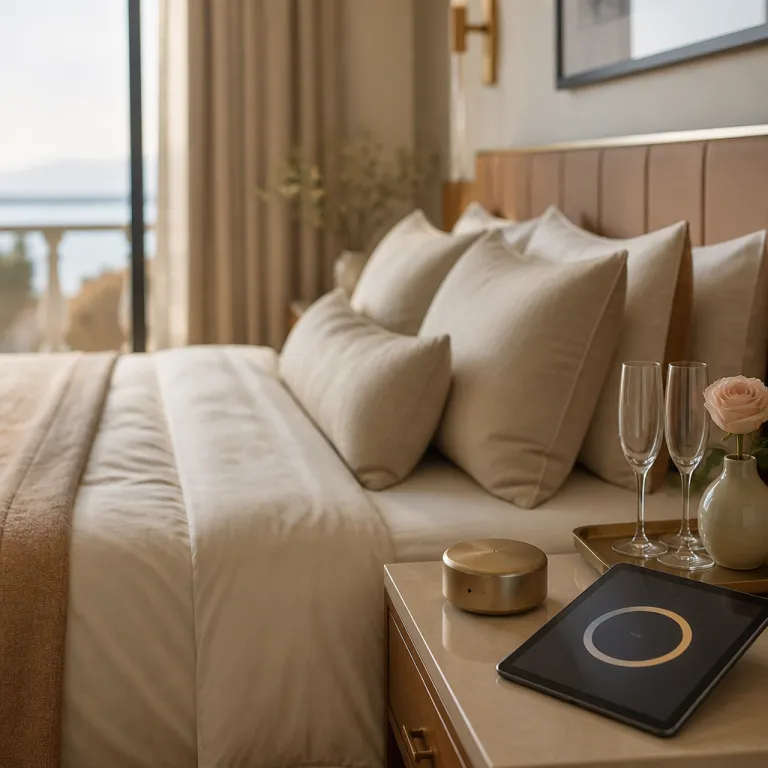
From wellness hotel to longevity retreat: why the words matter
Luxury hotel sleep experiences have moved from scented pillows to science. A classic wellness hotel promises a relaxing spa, a good massage and perhaps a nutrition consultation, while a true longevity focused retreat quietly rebuilds your circadian rhythm with engineered light, air and movement over several days. For couples planning a romantic stay, that difference between a short wellness escape and a longer longevity retreat can define whether you return simply refreshed or with a measurable shift in how you sleep and rest.
In a standard wellness resort, the spa is the star and sleep is a pleasant side effect. In a longevity oriented hotel, restorative sleep becomes the central metric, with structured sleep programs, smart bed technology and even air quality monitoring used to promote a restful night for every guest. These properties treat each stay as a mini laboratory for your body, where every minute of your sleep experience is quietly tracked, scored and refined.
Research firms have started to formalize this shift, and hotels now live or die by their sleep reputation. SleepJunkie.com introduced its “Snooze Score” ranking, using guest reviews to rate properties on factors such as mattress comfort, noise levels and overall restfulness, and J.D. Power’s 2023 North America Hotel Guest Satisfaction Index Study found that guests who sleep better-than-expected are significantly more likely to return and to recommend the hotel. As one summary from this research world puts it without embellishment, “A ranking of hotels based on sleep quality from guest reviews.”
For romantic travelers, that data driven language can sound clinical at first. Yet when you are arriving from Hong Kong on a red eye and your partner is flying in from New York, a hotel that offers a serious sleep program can be the difference between a tense first day and a slow, connected evening. The most interesting luxury sleep concepts now translate all that measurement into something sensual and human, so guests enjoy the benefits without feeling like test subjects.
Inside the engineered sleep suite: light, sound and the smart bed
Walk into a modern sleep wellness suite and the romance is in the details. The room has been designed so that every surface, from blackout panels to acoustic padding, quietly supports deep rest while still feeling like a seductive city hideaway. Couples who once chose a hotel only for the view now ask how the room will help sleep, and whether the technology will enhance intimacy or distract from it.
The best luxury hotel sleep program concepts start with circadian rhythm aware lighting that shifts from cool, alert tones by day to warm, melatonin friendly hues at night. Smart bed systems adjust firmness for each side, track movement and temperature minute by minute, and feed that data into personalized sleep dashboards that promise more restful sleep on the second night than the first. Some hotels go further with soundscapes tuned to mask corridor noise, while others offer analog touches like heavy curtains and silent door closers that simply promote restful quiet.
For couples, the tension lies between romance and readouts. One partner may love the sleep score graphs, while the other just wants to feel held by the mattress and the dark, not monitored by a wellness resort algorithm. When you book a property that offers advanced sleep programs, ask whether you can dim the tech — many hotels will let guests enjoy the smart bed comfort while turning off the visible data layer.
This is also where spa and sleep finally meet in a meaningful way for two. Some properties now pair their couples spa menu with a shared sleep experience, timing massages to your chronotype and offering aromatherapy that is designed to help guests transition from late dinner to early night sleep. If you want to understand how serious a property is about this, read how they describe their couples spa programming and compare it with independent audits of treatments for two on specialist platforms such as couples spa programming audited.
When one partner sleeps well and the other does not
Every romantic trip is really two parallel sleep stories sharing one bed. When one partner achieves deep, restful sleep and the other lies awake counting every minute until dawn, the mood of the entire stay shifts by the next day. Luxury hotel sleep design now recognizes that a couple’s experience is only as strong as the lighter sleeper’s night.
Smart bed systems that allow separate firmness, temperature and elevation on each side are quietly saving relationships on the road. A hotel that offers this level of personalized sleep support lets one guest enjoy a cooler, firmer surface while the other sinks into a softer cradle, without either feeling compromised. In practice, that means fewer midnight negotiations over the thermostat and more shared mornings where both feel genuinely rested.
Noise and light sensitivity create another fault line. Properties serious about sleep wellness will show it in the floor plan, placing sleep suites away from elevators, service doors and late night venues, and using blackout engineering that actually seals the window edges. Before you book, study every photo of the room and look for clues like heavy drapery, solid doors and thoughtful bedside lighting that can help guests wind down without flooding the space with glare.
Some of the most interesting examples sit at the intersection of business and romance, where executives extend a work trip into a couple’s retreat. At a coastal property such as the Sands Hotel and Spa in Cornwall, which has been profiled as an elegant and comfortable romantic escape, the spa, the room and the restaurant are all designed to help sleep without making it the only story. The lesson for travelers is simple: choose hotels where the romance is in the quiet details that promote restful nights, not only in the staged rose petals on the bed.
Data, dashboards and the new sleep score anxiety
The rise of quantified sleep has created a new kind of pressure in the hotel room. Where couples once judged a stay by the softness of the robe and the late checkout, they now wake to a dashboard that rates their night sleep with clinical precision. For some guests, this sleep program data feels empowering; for others, it turns rest into a performance.
Properties at the forefront of sleep tourism use trackers embedded in the smart bed or discreet wearables to measure heart rate, movement and breathing throughout the night. The next morning, guests receive a sleep score, often accompanied by recommendations that are designed to help sleep more efficiently on subsequent nights of the stay. The intention is noble — help guests understand their patterns and promote restful habits that continue long after checkout.
Yet there is a fine line between guidance and guilt. When a romantic weekend becomes a competition over whose sleep experience scored higher, the technology has clearly overstepped its brief, and the intimacy of the retreat suffers. The most thoughtful hotels now allow couples to opt out of visible scores while still benefiting from the underlying engineering that supports sleep wellness in the background.
For business leisure travelers, the question is whether these metrics genuinely improve mornings or simply add another KPI to an already measured life. A useful rule is to choose hotels where the data is used to refine the environment — better pillows, quieter ventilation, smarter lighting — rather than to gamify your rest. Articles such as the second night analysis of luxury hotel value show that the real test of any sleep program is whether the second night feels naturally better, not whether the app says so.
Where sleep science meets romance: from Equinox Hotel to Kamalaya
Some properties have become shorthand for the new sleep focused romance. In New York, Equinox Hotel has built its reputation on rooms that are effectively urban cocoons, with soundproofing, blackout shades and temperature control all tuned to help guests sleep well after late dinners or early flights. Couples who book here for a luxury sleep focused stay often talk less about the gym and more about the rare feeling of waking together without an alarm.
On the other side of the world, Kamalaya Wellness in Thailand approaches the same goal through a softer, retreat like lens. Its sleep programs sit within a broader wellness resort philosophy that includes gentle detox, mindful movement and spa rituals designed to ease the nervous system before nightfall. Rather than focusing on a single night sleep score, Kamalaya Wellness encourages guests to treat sleep as the natural outcome of a slower day, where every minute is paced to support the body’s circadian rhythm.
Urban hotels are catching up fast. In Hong Kong and other dense cities, new openings now market entire floors as sleep wellness retreats, with air purification, noise control and lighting schemes that are designed to help guests adjust quickly across time zones. Some even borrow ideas from Equinox Hotel and Kamalaya Wellness, blending hard data with softer rituals so that guests enjoy both measurable improvements and a sense of romance that feels anything but clinical.
For couples choosing between these options, the decision comes down to how much structure you want around your rest. If you are drawn to dashboards and precision, a property like Equinox Hotel or a data forward hotel in Hong Kong will suit a performance minded stay. If you prefer a slower, more intuitive retreat, a wellness resort in the Kamalaya Wellness mold may offer the kind of sleep experience where the only score that matters is how you feel when you look at each other over breakfast.
FAQ
What is a hotel sleep score and why does it matter ?
A hotel sleep score is a rating that reflects how well guests tend to sleep at a property, based on feedback and sometimes on data from sleep tracking devices. The concept gained visibility when SleepJunkie.com introduced its Snooze Score, using guest reviews to rank hotels by sleep quality. For travelers, especially couples, a strong score signals that the hotel has invested seriously in quiet rooms, good beds and thoughtful design that support restful nights.
How do hotels actually measure sleep quality ?
Hotels measure sleep quality in two main ways. First, they analyze guest reviews and satisfaction surveys, focusing on comments about noise, comfort and overall rest during the stay. Second, some properties partner with research firms and technology providers to use devices such as Withings sleep trackers or smart bed sensors, which record movement and other indicators throughout the night to build an anonymized picture of how guests sleep.
What is the difference between a wellness hotel and a longevity hotel ?
A wellness hotel typically focuses on short term relaxation, offering a spa, fitness facilities and healthy menus that make you feel better during the stay. A longevity hotel goes further by designing programs that aim to improve long term health markers, including circadian rhythm, sleep patterns and stress levels, often through multi day retreats. For couples, the first is ideal for a quick reset, while the second suits a longer romantic escape where you want to return home with new habits, not just memories.
How can couples choose a hotel that supports both romance and good sleep ?
Couples should look beyond the usual romantic imagery and read carefully about how a hotel handles light, sound and bedding. Check whether the property offers smart bed options, blackout curtains, quiet room locations and flexible lighting that can be dimmed without killing the mood. Reviews that mention restful sleep, peaceful nights and thoughtful spa rituals are often more reliable indicators of a successful romantic stay than photos of rose petals or heart shaped desserts.
Are sleep tracking features in hotels worth using, or do they create stress ?
Sleep tracking features can be helpful if you enjoy data and want to understand how travel affects your rest, especially on longer trips or repeated business stays. However, some guests find that watching their sleep score every morning creates pressure and makes them feel judged by the numbers. The best approach is to treat the data as optional guidance, not a grade, and to choose hotels that let you benefit from sleep focused design even if you decide to ignore the dashboard.