How a historic luxury hotel heritage romantic stay changes the mood
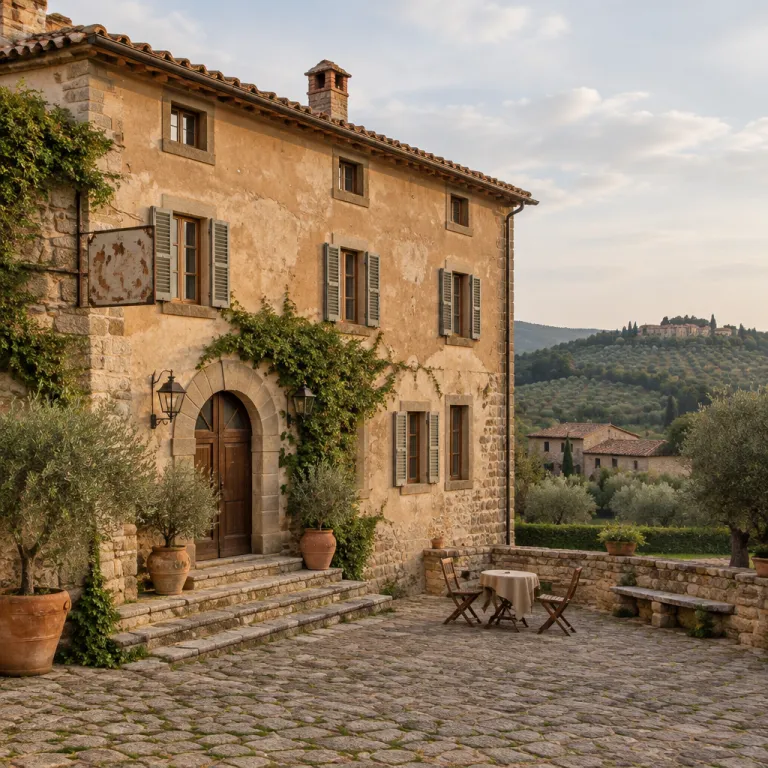
A historic luxury hotel heritage romantic stay begins before check in, often at the first glimpse of stone walls or a lantern lit archway. In a carefully restored grand hotel or manor house, couples feel they are stepping into a story that started long before their own, and that sense of borrowed time deepens every glance across the dining room. The right property lets guests enjoy privacy while still feeling the quiet presence of history in every corridor.
For many couples, the most romantic hotels are not the newest places but the ones where the building remembers, where a creaking stair or uneven floorboard signals a life already lived. A former castle turned star hotel, such as Ashford Castle in Ireland, or a national historic inn beside a river, like the Inn at Death Valley in California, offers a mood no glass tower resort can match, because the architecture itself carries a sense of place and time. When you book such a hotel, you are choosing to let the house, the guest rooms and even the old dining room shape the rhythm of your stay.
These heritage hotels work best when the restoration respects proportion and patina, keeping original beams, stone thresholds and perhaps a carved coat of arms above the restaurant door. In the most successful heritage hotel conversions, the spa, pool and contemporary dining spaces are woven into the existing fabric rather than pasted on as afterthoughts, so guests enjoy comfort without losing the building’s voice. That balance is what turns historic hotels into the best hotels for couples who want a romantic stay that feels grounded rather than staged.
Reading the walls: what real restoration looks like for couples
When you walk into a hotel that claims a historic past, look first at the bones of the place rather than the framed black and white photos. A serious heritage hotel keeps original ceiling heights, window proportions and staircases, even if that means fewer bedrooms and more variation between them, because those quirks are where the romance hides. In a true grand hotel conversion, the lobby might feel slightly off center or the dining room slightly narrow, yet couples sense place and history in every imperfect line.
By contrast, a theme park version of history often keeps only a façade, then inserts a generic resort interior with identical rooms and a spa that could be anywhere in hotels America. Couples who care about a historic luxury hotel heritage romantic stay should ask whether the property is listed as a national historic landmark or protected by a national trust style organization, because such status usually demands more rigorous preservation. For example, the Fairmont Le Château Frontenac in Québec and the Hotel del Coronado in California both appear on historic registers, and their owners must consult conservation specialists before major changes.
Old buildings bring trade offs, and the best hotels are honest about them, from thinner walls to slightly sloping floors or smaller bathrooms. Yet these same spaces often offer the top historic experiences, such as a panelled inn chamber where afternoon tea is served beside a fireplace, or a manor house suite where guests enjoy views framed by centuries old mullions. For couples planning a romantic stay in a historic hotels setting, using a specialist guide or a dedicated country house hotel phone number or reservation line can help you reach the right person who understands which specific room holds the most history and the most atmosphere.
For a practical example of how to navigate this, consider how a carefully curated country house guide explains how to use a historic Lake District country house hotel phone number to secure a room in the oldest wing, rather than a newer annex. A resource such as this detailed guide to booking a historic country house hotel by phone shows how asking about staircases, fireplaces and original plasterwork can transform a standard reservation into a genuinely romantic hotels experience. Couples who learn to read these clues will consistently find hotels top for atmosphere, not just for amenities.
Choosing the right room: annex, attic or ancestral suite
In any heritage hotel, not all rooms are created equal, and that is precisely where the magic lies for couples. The most romantic rooms and suites are often the least standardized, perhaps tucked under eaves in a former servants’ house or occupying a corner tower of a castle with thick walls and deep set windows. When you book a historic luxury hotel heritage romantic stay, you are not just choosing a hotel but choosing a specific room that will frame your private story.
Ask the reservations équipe which rooms sit in the original manor house or main property, and which lie in later additions or a modern resort wing, because the answer will shape your sense of place. In many heritage hotels, the top historic suites are those that kept their original proportions, even if that means a slightly smaller spa style bathroom or a step between spaces, while newer rooms may feel more polished but less atmospheric. Couples who value history over uniformity should request floor plans or photos that show beams, stone, fireplaces and window seats, then book accordingly.
Some of the best hotels for romance offer a choice between a grand hotel suite with a formal dining room table and a simpler inn style chamber with a view that stops conversation at dusk. In both cases, guests enjoy the feeling that the house has seen other lives, other whispered conversations, and that their stay is part of a longer narrative. Guides to heritage rich regions, such as curated lists of luxury hotels that outlast the summer crowd in southern Europe, often highlight which properties keep their soul in winter, when couples can linger over afternoon tea by the fire and feel the building breathe around them.
If you are planning a shoulder season escape, a resource like this insider guide to luxury hotels that outlast the summer crowd illustrates how a historic property can feel even more romantic once the beach traffic fades. In quieter months, a heritage hotel or manor house often has more flexibility to offer top historic rooms to couples, and the spa, restaurant and shared salons feel like extensions of your private space. That is when a historic luxury hotel heritage romantic stay becomes less about spectacle and more about intimacy.
Romance in the details: spa rituals, dining rooms and afternoon light
What separates a merely old hotel from a truly romantic hotels experience is how the property choreographs small moments around its history. A thoughtful spa might use local botanicals once grown in the manor house gardens, while the treatment rooms retain stone walls or vaulted ceilings that remind couples they are lying beneath centuries of stories. In such places, guests enjoy wellness not as an escape from history but as a way of sinking deeper into it.
Dining matters just as much, because a historic luxury hotel heritage romantic stay often peaks in the dining room, where candlelight reflects off worn panelling or plaster. The best hotels in this category design menus that reference the region’s history, perhaps reviving recipes once served in the house or castle, and pairing them with wines from nearby estates rather than anonymous labels. At properties like Cliveden House in England or La Mamounia in Marrakech, chefs work with archivists and local producers to reinterpret traditional dishes so that couples taste a link between past and present.
Afternoon tea can be another powerful ritual, especially in hotels America and in European heritage hotels with strong national trust style traditions. Served in a drawing room that still shows portraits, crests or original fireplaces, afternoon tea allows couples to slow down, watch the light move across old stone and feel the building’s age in their bones. When you book, ask whether the property offers such experiences in the main house rather than in a modern annex, because that choice will shape the emotional weight of your stay.
Some award winning properties go further, hosting small history walks that begin in the lobby and end in the garden, tracing how the house evolved from private home to star hotel. Others curate in room details, such as reproductions of old letters or maps, that give couples a sense of the lives once lived within those walls. These touches, when handled with restraint, turn a night in a hotel into a layered romantic stay where the building itself becomes a quiet third presence in the relationship.
When heritage helps, when a modern build serves couples better
Not every couple needs a creaking staircase or a national historic plaque to feel romance, and being honest about that is part of choosing well. For some guests, accessibility, soundproofing and climate control matter more than patina, and a contemporary resort or urban hotel can deliver a better night’s sleep and a calmer stay. The key is to decide whether you want the building to be a character in your story, or a discreet backdrop that lets the relationship take full center stage.
Heritage hotels excel for couples who enjoy narrative, who like to imagine previous guests crossing the same threshold or sitting in the same dining room corner. These travelers often seek out hotels top for atmosphere, ask about the history of the property and feel a thrill when they see a national trust style emblem or a plaque marking the building as part of historic hotels collections. For them, a historic luxury hotel heritage romantic stay is worth the occasional quirk, whether that means a smaller elevator, a slightly uneven floor or a room layout that defies modern logic.
By contrast, couples planning a quick city break, a jet lagged arrival or a trip with complex logistics might prefer a modern star hotel where every room feels predictable and the spa, restaurant and bedrooms follow a familiar pattern. There is no shame in choosing clarity over character when the situation demands it, and the best hotels in any category are those that are honest about what they offer. A curated platform that focuses on romantic stays can help you filter between heritage hotel options and more contemporary properties, ensuring that when you book, you align the building’s personality with your own needs.
For deeper guidance on matching your travel style with the right property, resources such as this insider guide to finding a hotel for an unforgettable stay show how to read between the lines of marketing language. They explain how terms like grand hotel, manor house, heritage hotel or castle resort are used, and how to verify whether a place truly belongs among the best hotels for romance. With that knowledge, couples can choose confidently between historic and contemporary hotels, knowing exactly what kind of story they are stepping into.
FAQ
How do I know if a historic hotel is genuinely romantic and not just old ?
Look beyond the age of the building and focus on how the property uses its history to shape the guest experience. A genuinely romantic historic luxury hotel heritage romantic stay will show original features in rooms and suites and shared spaces, offer thoughtful lighting and quiet corners, and integrate history into spa rituals, dining and storytelling. If the hotel feels like it could be anywhere once you step inside, it is probably trading on age rather than delivering a true sense of place.
What should couples ask before booking a room in a heritage hotel ?
Ask which rooms are located in the original house, castle or manor house, and which are in newer wings or annexes. Request details about specific features such as fireplaces, beams, window seats, views and proximity to the main dining room or spa, because these elements shape atmosphere. Clarify any quirks, such as stairs, noise or smaller bathrooms, so you can decide whether the romance of history outweighs the practical compromises for your stay.
Are heritage hotels suitable for guests who need modern comforts and accessibility ?
Many heritage hotels and historic hotels have invested heavily in accessibility and comfort, but old structures can limit what is possible. If you need step free access, strong soundproofing or very consistent room layouts, ask detailed questions about elevators, ramps, air conditioning and bathroom design before you book. In some cases, a carefully designed modern resort or star hotel may serve your needs better while still offering a romantic atmosphere through service, spa experiences and thoughtful design.
Do all the best hotels for couples have to be in castles or manor houses ?
Not at all, because romance comes from atmosphere, service and a sense of place rather than from a specific building type. While many couples love the drama of a castle or the intimacy of a manor house inn, a grand hotel in a historic city or a small house style property in a coastal town can be equally romantic. What matters is how the hotel offers privacy, mood and narrative, and whether guests enjoy feeling that the building remembers other stories besides their own.
How can I balance my budget with a desire for a historic luxury hotel heritage romantic stay ?
Consider traveling in shoulder seasons, when heritage hotels often offer better rates and more access to top historic rooms. Look for smaller properties or inns that may not be award winning yet still deliver strong history, a good restaurant and a simple spa, rather than only targeting the most famous best hotels. Booking directly and asking about midweek offers, package rates that include dining, or rooms in slightly smaller categories can also help you experience a romantic stay in a historic setting without overspending.