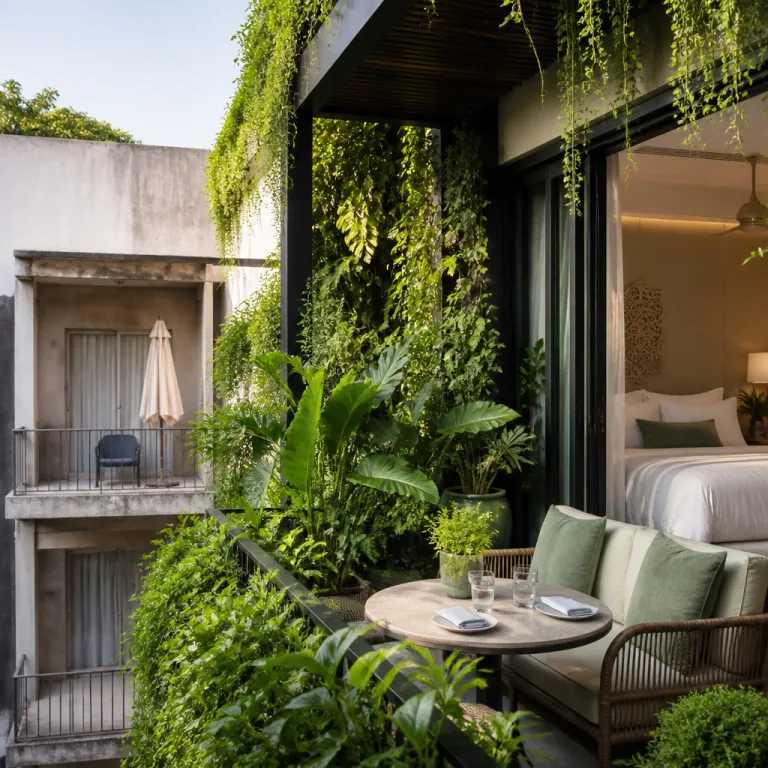
What biophilic suites really are when you close the door
A genuine biophilic hotel suite is not a potted palm beside the minibar. It is a carefully layered hospitality design concept where natural elements, ventilation, orientation and materials work together to create hospitality environments that feel quietly alive. In the best hotels, this design approach shapes every wall, surface and shaft of direct sunlight that reaches the room.
At suite level, biophilic design means the built environments are planned around nature inspired principles rather than decorative trends. Architects study how humans respond to light, airflow and natural beauty, then create rooms where walls help frame greenery, sky or water instead of car parks. The most convincing hotel design schemes use wood and stone in structural ways, integrate living walls and specify fabrics that breathe well rather than trap heat.
For guests, the experience is visceral before it becomes intellectual. You step into a room where natural elements such as timber, stone and plants soften the acoustics and reduce stress almost immediately. The air feels fresher because the hospitality industry is finally investing in operable windows, cross ventilation and terraces that let humans spend time outside without leaving the privacy of their suite.
Biophilic hotel suite premium pricing emerges from this depth of design rather than from marketing language. When hotels commit to biophilic design at construction stage, they rework walls to create sightlines to gardens, reorient rooms for morning light and specify glazing that balances direct sunlight with thermal comfort. These choices cost more up front, but they also create memorable guest experiences that command higher nightly rates and stronger repeat demand.
In the current hospitality industry landscape, owners and guests are aligned more than ever. Hotel owners act as implementers who adopt biophilic design in suites, while guests behave as users who actively prefer biophilic environments for their wellness benefits. This shared focus on nature inspired hospitality environments is what turns a green looking room into a revenue generating asset.
Why the garden wall earns more: pricing, wellness and repeat stays
Biophilic hotel suite premium pricing is no longer a hunch whispered in revenue meetings. Interface and other industry reports show that guests are willing to pay measurably more for rooms with natural elements, especially when those elements are integral to the room design. In parallel, Deloitte notes that a clear majority of luxury travelers now prioritise sustainability in booking decisions, which reinforces the pricing power of genuinely nature inspired suites.
One dataset focused on lobby behaviour found that guests spend time around 36 % longer in biophilic environments than in conventional spaces, a strong signal for what happens at room level. Another study measured a 15 % increase in perceived wellbeing in biophilic environments, which aligns with the way humans intuitively respond to natural beauty and soft daylight. When a hotel room uses natural elements such as wood and stone to calm the nervous system, the guest experience improves in ways that translate directly into higher satisfaction scores and repeat bookings.
Academic work published by MDPI shows that the quality of biophilic design moderates guest delight, wellbeing and repeat booking intent, which is exactly where premium pricing becomes defensible. In practice, suites with a coherent design approach that integrates living walls, cross ventilation and generous direct sunlight tend to outperform neighbouring rooms that rely on standard finishes. Over time, these guest experiences help hotels justify higher average daily rates and support a revenue mix that favours suites over entry level categories.
For couples or solo travellers comparing options in cities like London, this matters when choosing between classic luxury and a more nature inspired hospitality design. A traditional high floor room with heavy drapes and thick carpets may feel opulent, but a biophilic suite that lets walls create a visual connection to greenery can feel more restorative after a long day. When you browse curated lists of luxury romantic hotels in London, pay attention to how each property describes its materials, light and ventilation rather than just its thread count.
From a revenue perspective, hotel owners see biophilic suites as a way to enhance guest experience, increase occupancy and boost room rates simultaneously. The hospitality industry context is a growing demand for wellness focused environments, where guests explicitly seek spaces that reduce stress and support sleep. When a hotel can show that its hospitality design choices lead to higher wellbeing, the price gap between a standard room and a garden wall suite starts to feel like a rational investment rather than a splurge.
How to tell real biophilic design from greenwashed décor
Not every room with a fern and a sustainability tagline deserves biophilic hotel suite premium pricing. For travellers, the challenge is learning to read between the lines of hospitality marketing and identify where biophilic design is structural rather than cosmetic. The difference shows up in the walls, the air and the way natural elements are integrated into the overall hotel design.
Start with the materials that touch your skin and frame your view. Genuine hospitality design with a biophilic focus will specify wood and stone in floors, headboards and joinery, not just as a decorative panel behind the television. Look for suites where walls help frame planted courtyards, pocket gardens or even interior living walls that create memorable hospitality environments rather than blank façades.
Light is another reliable indicator. A nature inspired suite will be oriented to capture direct sunlight at specific times of day, often morning light for bedrooms and softer afternoon light for living areas. When hotels describe how their design approach manages glare, heat and privacy while still letting humans spend time in natural light, you are usually looking at a more serious investment in built environments.
Ventilation and air quality separate the marketing from the meaningful. Real biophilic hotel design often includes operable windows, cross ventilation and in some cases natural ventilation strategies that reduce reliance on mechanical cooling. Properties like Parkroyal Collection Marina Bay have reported energy reductions of around 30 % through natural ventilation and green terraces, showing how hospitality environments can support both guest wellbeing and lower emissions.
When you read a property description or a review on a site such as Romantic Stay’s guide to exclusive experiences, scan for specific references to design firms, sustainability consultants and measurable outcomes. Hotels that work with specialist partners to integrate nature into interior design tend to publish more detail about their hospitality environments, from plant species and irrigation systems to energy performance. Those that rely on vague language about green vibes and eco chic usually have less to show behind the walls.
Where the premium is real: six case studies from garden walls to cosmetic greens
Some properties have become reference points for biophilic hotel suite premium pricing because their commitment runs from masterplan to minibar. The Six Senses portfolio is a clear example, with suites that use wood and stone extensively, orient rooms for cross breezes and integrate planted roofs and terraces as part of the structural design. At 1 Hotel Tokyo, the hospitality design language uses living walls, reclaimed timber and generous direct sunlight to create hospitality environments where guests report feeling calmer and more rested.
On the Mediterranean, Como Le Beauvallon in Saint Tropez and Zannier’s Bendor project show how nature inspired design can reshape entire estates. Suites are positioned so that walls create layered views of gardens, sea and sky, while pathways lined with trees encourage guests to spend time walking rather than shuttling in vehicles. Zannier’s commitment to a 200 tree replant programme underlines how natural elements are treated as infrastructure rather than ornament, which supports both biodiversity and guest experiences.
In these hotels, the guest experience is shaped by more than visual greenery. You feel the benefits in the way natural ventilation cools the room at night, how the scent of plants mixes with sea air and how the acoustics soften because wood and stone absorb sound differently from plasterboard. These elements help reduce stress for solo travellers and couples alike, which in turn supports the higher rates attached to these suites.
By contrast, there are properties where the biophilic claim is largely cosmetic. You will see a few vertical planters in the lobby, some framed nature art on the walls and perhaps a green themed cocktail menu, but the rooms themselves remain standard boxes. In such hotels, walls help hide air conditioning units rather than frame natural beauty, and the guest experience feels no different from any other urban property once the door closes.
For travellers comparing options on a platform like Romantic Stay, the key is to ask whether the biophilic design approach changes how you live in the room. Does the suite invite you to spend time on a terrace, open windows to hear water or birds, or move between indoor and outdoor spaces without losing privacy ? If the answer is yes, then the biophilic hotel suite premium pricing is more likely to be backed by real investment and measurable benefits.
The tradeoffs behind the greenery: comfort, maintenance and honest friction
Biophilic hotel suite premium pricing also reflects the operational reality behind those lush garden walls. Living walls and extensive planting require irrigation systems, horticultural expertise and regular maintenance, all of which add to the cost base of hospitality environments. When hotels choose to create memorable suites with substantial plant biomass, they accept ongoing complexity that standard built environments simply avoid.
For guests, this can mean occasional frictions alongside the benefits. Natural ventilation strategies that reduce stress and cut energy use may also bring in humidity, city sounds or the faint smell of soil after rain, which not every human will love. In some climates, open terraces and sliding walls help humans feel closer to nature but also increase the chance of insects or pollen entering the room, which can affect comfort for sensitive travellers.
Materials such as wood and stone age differently from synthetic finishes, which is part of their charm but also a maintenance consideration. A hospitality design that celebrates natural beauty will accept patina, hairline cracks and colour variation as part of the inspired aesthetic, while still keeping surfaces clean and safe. Guests who value perfection over character may need to recalibrate expectations when choosing hotels that lean heavily into nature inspired design.
From the hotel owner’s perspective, these tradeoffs are weighed against clear revenue outcomes. Biophilic suites generate higher revenue because they enhance guest experience, increase occupancy and support higher room rates over time. Hotels adopting biophilic design report that guests prefer biophilic environments for relaxation and wellbeing, which aligns with the broader shift towards wellness focused travel in the hospitality industry.
For solo explorers and couples booking through Romantic Stay, the question becomes how much these nuances matter for a specific trip. If you are planning a long stay where you will spend time working or resting in the room, the benefits of natural elements, direct sunlight and fresh air may easily justify the premium. For a short city break with late nights and minimal room time, you might prefer to allocate budget differently and choose a more conventional room while still enjoying biophilic public spaces.
How to read biophilic pricing before you book: a practical checklist
Evaluating biophilic hotel suite premium pricing starts long before you tap the book now button. The most reliable clues sit in floor plans, material descriptions and photography that shows how walls create relationships between interior spaces and surrounding nature. When a hotel shares detailed information about its design approach, you can usually trust that the biophilic elements are more than surface level.
Begin with the basics of orientation and light. Does the room description mention morning or evening sun, shading devices or specific strategies for managing direct sunlight while keeping the room cool ? Suites that take biophilic design seriously will often highlight how natural elements such as louvers, deep balconies or planted pergolas help regulate light and temperature.
Next, look for evidence of collaboration with design firms and sustainability consultants. Hotels that integrate nature into interior design at a high level tend to credit their partners and sometimes publish data on energy savings or water use. When you see references to natural ventilation, green terraces or energy reductions similar to Parkroyal Collection Marina Bay’s 30 % figure, you are usually looking at a property where hospitality design and sustainability strategy are aligned.
Guest reviews can also help separate marketing from reality. Pay attention to comments about air quality, noise, sleep quality and how the room made people feel, not just about amenities or service. When multiple guests mention that the room helped them relax, sleep well or feel more connected to nature, it supports the case for paying a premium for that specific category.
Finally, consider how the suite fits into your broader trip economics. Articles such as Romantic Stay’s analysis of how luxury hotels reshape long stay pricing show that the right room type can change the value equation over several nights. A biophilic suite that encourages you to spend time in, perhaps skipping a co working pass or spa day, may offer better overall value than a cheaper room that pushes you out into the city all day.
Key numbers behind biophilic suites and the garden wall premium
- Guests have been observed spending around 36 % more time in biophilic lobbies than in conventional ones, indicating that nature inspired hospitality environments encourage longer dwell times and deeper engagement (GreenZen, global sample).
- Studies measuring perceived wellbeing show approximately a 15 % increase for guests in biophilic environments compared with standard built environments, supporting the link between natural elements and reduced stress (GreenZen, wellness focused properties).
- Ocean view rooms have been shown to command about 18 % higher rates than comparable non view rooms in the same hotels, illustrating how framed natural beauty consistently supports premium pricing across the hospitality industry (SAGE Journals, coastal properties).
- Energy performance data from properties such as Parkroyal Collection Marina Bay indicate around 30 % reductions in energy use through natural ventilation and green terraces, demonstrating that biophilic design can align guest comfort with lower operational emissions.
- Industry surveys referenced by Deloitte report that roughly 73 % of luxury travellers now prioritise sustainability in booking decisions, which reinforces demand for suites where biophilic design and environmental performance are clearly communicated.
FAQ: biophilic suites, pricing and what guests should know
What is biophilic design in a hotel suite ?
Biophilic design in a hotel suite means incorporating natural elements such as plants, wood, stone, daylight and fresh air to connect occupants with nature. It goes beyond décor by shaping walls, orientation and ventilation so that humans feel calmer and more restored. In the hospitality industry, this design approach aims to improve guest experience, wellbeing and time spent in the room.
How does biophilic design affect hotel revenue and pricing ?
Biophilic suites tend to generate higher revenue because guests value the wellness benefits and are willing to pay more for them. Industry data links biophilic environments to higher perceived wellbeing, longer dwell times and stronger repeat booking intent, all of which support biophilic hotel suite premium pricing. For hotel owners, this means that investing in natural elements and nature inspired hospitality design can justify higher average daily rates and occupancy.
Why do guests prefer biophilic environments when travelling ?
Guests often prefer biophilic environments because they promote relaxation, reduce stress and support better sleep after travel. Natural beauty, direct sunlight and fresh air help humans reset their internal rhythms, which is especially valuable for solo explorers and couples on dense itineraries. As one expert summary puts it, “They promote relaxation and wellbeing.”
How can I tell if a biophilic suite is worth the premium ?
To judge whether biophilic hotel suite premium pricing is justified, look for evidence that natural elements are integrated into the architecture rather than added as decoration. Check whether walls create views of greenery or water, whether the room offers operable windows or terraces and whether materials such as wood and stone are used extensively. Reviews that mention sleep quality, airiness and a calming atmosphere are strong indicators that the guest experience matches the design claims.
Are there any downsides to staying in a biophilic suite ?
Biophilic suites can involve minor tradeoffs such as more outdoor sound, occasional insects or the scent of plants and soil, especially when large terraces or living walls are involved. Natural ventilation strategies may also feel warmer or more humid than sealed, mechanically cooled rooms in some climates. For most guests, these frictions are outweighed by the benefits of a more nature connected stay, but it is worth considering your personal comfort preferences before booking.