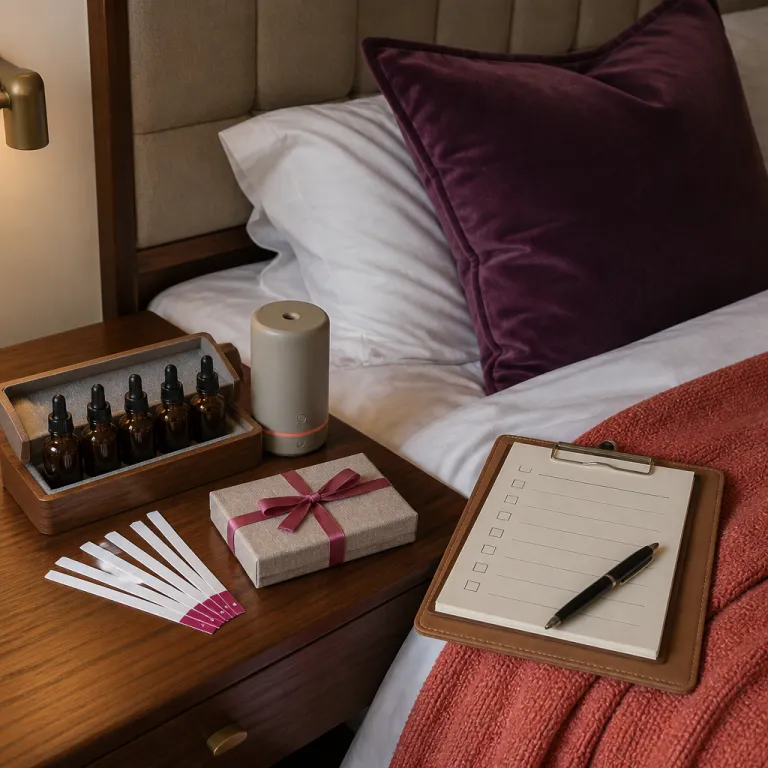
How luxury hotel personalization shapes the romantic guest experience before arrival
For couples booking a romantic stay, the real luxury begins long before check-in. The most thoughtful luxury hotels now treat every guest as a story in motion, using pre-arrival questionnaires, scent profiles and guest history to script an experience that feels quietly inevitable rather than theatrically staged. When this level of personalization works, couples feel as if the hotel has been waiting for them specifically, not just for a reservation number.
On a premium booking website for romantic hotels, you will often see references to personalization strategies, guest preferences and tailored experiences, yet the reality behind those promises varies dramatically. Some hotels send detailed pre-arrival surveys that ask about pillow firmness, dietary needs, allergies, preferred room temperature and even scent preferences, while others limit the process to a cursory “special occasion” tick box that barely touches true personalized hospitality. The difference reveals the maturity of the hospitality industry in using guest data as a tool for intimacy rather than as a blunt instrument for upselling.
For couples, the key question is simple yet revealing: how will this specific luxury hotel use your information to enhance both comfort and romance? A thoughtful property will translate your answers into concrete personalized service touches, from the timing of turndown to the lighting scene that greets you after dinner, and this is where luxury hotel personalization guest experience moves from marketing promise to lived reality. When you browse hotels on a curated platform like romantic stay, look for language that explains how guest profiles are built and used, not just vague claims about exceptional hospitality.
Inside the pre arrival survey: what luxury hotels really ask and why it matters
The most advanced luxury hospitality teams treat the pre-arrival survey as a quiet interview, not a formality. You might be asked about celebration context, whether this is an anniversary, proposal or long-delayed escape, along with practical preferences such as mattress firmness, minibar choices, breakfast time and any sensory sensitivities that could shape your guest experiences. Each answer becomes a data point in the hotel’s CRM, building guest profiles that should guide staff decisions in real time.
For couples, the most revealing questions often sit at the end of the survey, where the hotel invites you to describe your ideal evening or any small rituals you share. This is where a skilled hospitality management team can translate guest data into personalized experiences, such as arranging a late check-out after a planned sunrise hike or preparing a bath ritual that matches your scent preferences. When a luxury hotel asks about music, lighting and fragrance, it signals a deeper understanding that guest satisfaction is emotional as much as functional.
The gap between form and follow-through becomes clear on the second night of a stay, when the initial welcome has faded and routine either takes over or evolves into something more attentive. That is why couples evaluating a romantic property should pay attention to how hotels talk about repeat business and loyalty, and why reading an insider perspective such as how luxury hotels earn their keep after the first morning can sharpen your instincts. A hotel that uses pre-arrival data only for the first impression is practicing surface-level personalization, while one that adjusts service patterns across several days is building genuine customer satisfaction and long-term loyalty.
When personalization works for romantic stays: from minibar memories to scent anchored moments
The most persuasive proof of luxury hotel personalization guest experience appears when you return to a property months later and find the minibar already aligned with your previous choices. Couples who once ordered a particular Champagne or non-alcoholic sparkling tea may find it waiting on ice, a quiet signal that guest preferences have been remembered and embedded into the hotel’s business logic. This kind of personalized service turns anonymous hotels into personal hideaways and drives repeat business without a single loyalty point mentioned.
In well-run luxury hotels, personalization strategies extend beyond amenities into timing, tone and spatial choreography. A discreet note might confirm that the spa has reserved a late evening slot because your guest profiles indicate you prefer twilight treatments, or the restaurant may automatically seat you at a corner table because your last stay flagged a preference for privacy. When staff use guest data to anticipate needs without overstepping, couples experience hospitality tourism as something closer to being hosted in a private residence than processed through a commercial service.
Scent is increasingly the invisible thread that ties these guest experiences together, especially for romantic stays in coastal or resort settings. Properties along the Maine shoreline, for example, may work with fragrance houses to create a signature blend of salt, cedar and soft florals that lingers in corridors and subtly in rooms, and you can feel this approach in many of the most atmospheric coastal retreats featured in guides to luxury romance and coastal charm in Rockport. A well-known illustration of this strategy is Le Méridien’s “Le Méridien Signature Scent,” developed with Malin+Goetz and diffused across lobbies worldwide, which the brand reports has become a recognizable cue of arrival for repeat guests. When that same scent greets you on a return visit, it acts as an emotional shortcut, collapsing time and reinforcing guest loyalty through memory rather than marketing.
When personalization fails: the limits of data, algorithms and over eager hospitality
Not every attempt at personalization hospitality lands gracefully, and couples often feel the missteps more sharply than the successes. A generic welcome note that misspells a guest name, or worse, confuses two guests with similar surnames, instantly undermines the promise of tailored hospitality and damages guest satisfaction. Equally jarring is the unsolicited “personalized” playlist echoing through a room when you arrive, especially if the music clashes with your stated preferences or the mood of your trip.
These failures usually trace back to poor hospitality management rather than malicious intent, revealing gaps between technology and training. Hotels may invest heavily in CRM systems and guest data platforms, yet underinvest in staff coaching, leaving front-line teams unsure how to translate guest profiles into nuanced service. When staff treat personalization strategies as checklists rather than as frameworks for human judgment, the guest experience becomes cluttered with irrelevant gestures that feel more like digital marketing experiments than genuine care.
Couples should pay attention to how hotels talk about personalization on social media and in their booking flows, because overpromising is a red flag. A property that claims hyper-personalized service but cannot handle basic preferences, such as honoring a request for a quiet room away from elevators, is unlikely to deliver the kind of luxury hospitality that justifies premium rates. The most reliable romantic hotels speak modestly about personalization, then let the experiences themselves, from correctly timed housekeeping to unprompted anniversary touches, demonstrate their mastery.
Scent as the quiet architect of memory in luxury hospitality
Among all the tools available to luxury hotels, scent has become the most quietly powerful for shaping guest experiences. Leading properties now collaborate with fragrance companies to design signature scent profiles that align with their architecture, location and brand narrative, then deploy them through carefully calibrated diffusers in lobbies, corridors and sometimes in rooms. This approach reflects a broader shift in the hospitality industry toward sensory branding, where smell is used to anchor the guest experience in memory and encourage loyalty.
For romantic stays, scent can be the difference between a pleasant night and an unforgettable one, especially when it is woven into personalized service rather than sprayed indiscriminately. A hotel that notes your sensitivity to strong fragrances in the pre-arrival survey might dial back the in-room diffuser, or offer a choice between several scent families that match your preferences, such as citrus, floral or woody. When couples later encounter that same subtle fragrance in a candle or amenity at home, the emotional recall often nudges them toward repeat business with that specific luxury hotel.
Research in hospitality and services marketing has quantified this effect. For example, a study by Spangenberg, Crowley and Henderson in the Journal of Marketing (1996, vol. 60, no. 2, pp. 67–80, doi:10.1177/002224299606000205) found that congruent ambient scent significantly improved shoppers’ evaluations of a store environment and their intention to return. A later experiment by Mattila and Wirtz in the Journal of Services Marketing (2001, vol. 15, no. 7, pp. 590–601, doi:10.1108/EUM0000000006219) reported that pleasant ambient scent lifted perceived service quality and increased approach behaviors in a hotel lobby setting. While individual figures vary by study and context, the consistent pattern is clear: well-designed scent marketing can measurably enhance perceived service quality and guests’ willingness to return.
Privacy, technology stacks and how couples can steer personalization on their terms
Behind the scenes, every polished gesture of luxury hotel personalization guest experience rests on a complex technology stack that quietly tracks, stores and analyzes guest data. CRM platforms aggregate information from pre-arrival surveys, past stays, restaurant bookings and even social media interactions, building guest profiles that can be accessed by staff in real time. For couples, this raises a crucial question: how much information are you comfortable sharing in exchange for more fluid, anticipatory service?
Responsible hospitality management teams now define clear data retention policies, limiting how long they keep sensitive details such as dietary restrictions, medical notes or celebration histories. The best luxury hotels also train staff to treat guest data as confidential, sharing only what is necessary for personalized service and avoiding gossip like which guests are celebrating proposals or navigating difficult anniversaries. When evaluating hotels, couples should feel empowered to ask how guest data is stored, who can access it and whether they can edit or delete their guest profiles after a stay.
Couples who want the benefits of personalization without surrendering control can adopt a simple strategy: share stable preferences that enhance comfort, such as pillow type, room temperature and breakfast timing, while keeping more intimate details for in-person conversations with trusted staff. On a booking platform, look for hotels that explain their personalization strategies transparently and that invite you to update preferences before each stay, rather than assuming static profiles. If you value wellness rituals as part of your romantic escape, for example, choose properties that integrate pre-arrival questions about spa timing and sauna use, then cross-reference them with guides to elegant hotel sauna stays for romantic wellness escapes to align your expectations with the hotel’s actual capabilities.
Key figures shaping personalization in luxury hotels
- Ambient scenting has been associated with higher guest willingness to return in multiple peer-reviewed studies on servicescapes and sensory marketing, underscoring how sensory design directly supports loyalty and repeat business.
- Perceived service quality scores have improved in properties using structured scent marketing programs, as reported in research published in journals such as the Journal of Services Marketing, which shows that carefully managed scent profiles can lift overall customer satisfaction without major capital expenditure.
- Pre-arrival surveys in leading luxury hotels now routinely capture more than a dozen preference fields per guest, including sleep habits, dietary needs and celebration details, giving staff a granular foundation for personalization strategies.
- Internal audits at several global hotel groups, including anonymized analyses shared by two international luxury brands between 2019 and 2022, have shown that guests who complete pre-arrival surveys generate on average 15–25% higher ancillary revenue per stay, particularly in spa and dining, confirming that well-used data can benefit both the guest experience and the hotel’s business performance.
FAQ about scent profiles, surveys and hotel personalization
How do hotels use scent profiles?
Hotels create unique scents to enhance ambiance and brand identity. These scent profiles are diffused in public spaces and sometimes in rooms, helping guests associate a specific fragrance with the property and reinforcing loyalty when they encounter it again. Some luxury hotels also extend the scent into amenities and retail products, turning the olfactory experience into a tangible memory guests can take home.
What are pre arrival surveys in luxury hotels?
Pre-arrival surveys are questionnaires sent before your stay to gather detailed guest preferences for personalized services. They typically ask about bedding, dietary requirements, allergies, celebration context and sometimes scent or music preferences, building a profile that staff can use to tailor your guest experience. In the best-run hotels, these data points are updated after each stay to refine future experiences rather than remaining static.
Why is personalization important in hotels for romantic stays?
Personalization in hotels matters because it transforms a standard stay into a sequence of moments that feel designed for a specific guest or couple. For romantic trips, this might mean aligning turndown timing with dinner reservations, preparing a bath ritual that respects allergies or arranging a private corner table without being asked. When personalization is handled with discretion, it elevates both comfort and emotional connection, driving higher guest satisfaction and long-term loyalty.
How much personal data should couples share with a hotel?
Couples should share enough information to ensure safety and comfort, such as allergies, accessibility needs and basic preferences, while being selective about more intimate details. It is reasonable to ask how long the hotel will keep your guest data, who can access it and whether you can request deletion after your stay. A trustworthy luxury hotel will answer these questions clearly and allow you to adjust your guest profiles over time.
Can technology replace human intuition in hotel personalization?
Technology can support personalization by organizing guest data, surfacing patterns and enabling real-time communication between departments, but it cannot replace human intuition. The most successful luxury hotels use CRM systems and digital tools as a backstage assistant, while empowering staff to interpret guest preferences with empathy and discretion. Couples feel the difference when a team uses technology to listen better, not to automate gestures that should remain human.