The quiet art of the luxury hotel upgrade for families
The most memorable luxury hotel upgrade complimentary guest experience rarely appears on a confirmation email. It unfolds when a family arrives after a long day of travel and finds a connecting room already prepared, a crib dressed in crisp cotton and a soft toy waiting on the pillow. In that moment, guests feel that the hotel has read the room, understood the fatigue and quietly elevated the stay without a word.
Across the best luxury hotels in the United States, this invisible generosity is becoming a defining marker of luxury hospitality for families. A luxury hotel that anticipates needs before the front desk hears a single request creates a guest experience that feels both choreographed and deeply personal. Parents remember the unrequested room upgrades, the surprise night free after a delayed flight, and the way the hotel experience seemed to bend around their children’s rhythms rather than the other way around.
For couples and premium families using a booking website to book hotel stays, the question is how to recognize hotels that excel at this invisible upgrade culture. Look for hotels resorts that speak openly about pre arrival planning, guest messaging tools and digital check options that allow them to respond in real time to changing plans. The most thoughtful hotel collection brands treat every luxury guest as a long term relationship, not a one time transaction, and that mindset shapes every complimentary upgrade and every quiet gesture.
The anticipation economy: how data turns into unrequested generosity
Invisible upgrades begin long before a family reaches the lobby, in the quiet work of pre arrival preparation. When you book hotel stays through a sophisticated platform, the best hotels use booking history, loyalty profiles and occasion notes to build a picture of each guest. That picture guides everything from potential room upgrades to whether a welcome amenity should be sparkling wine for parents or hot chocolate kits for children.
In leading luxury hotels across the United States, technology is the discreet engine behind this anticipation economy. Property management systems surface real time data about repeat guests, while guest messaging platforms capture preferences that the front desk can act on before you even check in. A luxury hotel that understands how to use technology without letting it overshadow human intuition can transform a standard stay into an experience luxury travelers talk about for years.
Families should not need to explain, again and again, that they prefer a quiet room with a park view or that their child has allergies. When hotels connect loyalty profiles with pre arrival surveys, the hotel experience becomes smoother, kinder and more precise for both single luxury guest travelers and multi generational groups. For readers curious about how this plays out for solo travelers, the same invisible upgrade logic is explored in depth in this guide to luxury hotels where traveling alone feels like a preference, which shows how anticipation can be tailored to one person as carefully as to a family of five.
The personalization spectrum: from scent profiles to AI assisted service
Personalization in luxury hospitality now stretches from the subtle to the almost cinematic, and families sit at the center of this evolution. At one end of the spectrum, a hotel might simply note that a guest prefers feather free pillows and a bathtub rather than a shower, then quietly assign a room that matches. At the other end, some hotels resorts experiment with AI assisted recommendations that suggest family activities in york city or a rainforest spa day in Costa Rica, all based on previous travel patterns.
The most refined luxury hotel upgrade complimentary guest experience stays on the right side of intimacy, never feeling intrusive. A hotel collection that uses technology to remember a child’s favorite snack or a parent’s preferred check out time is using data in service of comfort, not surveillance. When this balance is right, guests feel seen rather than studied, and the upgrade feels like a natural extension of the relationship rather than a marketing tactic.
Families notice the difference between personalization that lightens their load and personalization that demands more input. A digital check in option that allows parents to confirm arrival time, note dietary needs and request a late check out in advance can be a relief, especially when paired with a generous policy like the one explored in this analysis of why late check out has become a new romantic currency. When a luxury hotel quietly extends that late departure without charge, the invisible upgrade becomes the final, lingering note of the stay.
The invisible upgrade hierarchy: what actually lands for families
Not every complimentary gesture carries the same emotional weight, especially for families balancing nap schedules and dinner reservations. At the top of the invisible upgrade hierarchy sits the unrequested room upgrade, particularly when it means a separate sleeping area for children or a better view for parents. A shift from a standard room to a corner suite can change how a family uses time, turning a rushed stay into a relaxed, multi room experience.
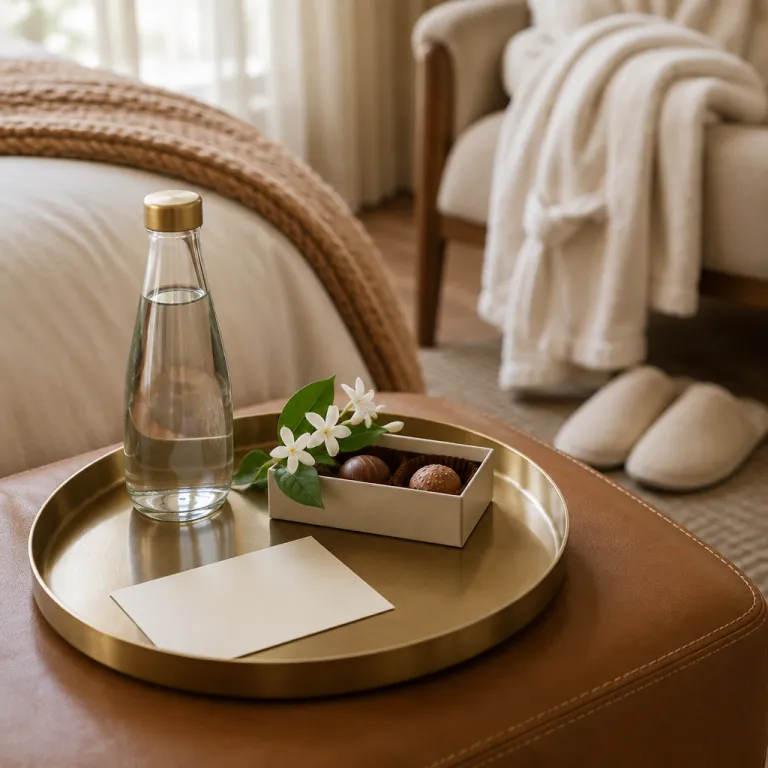
Below that, there are the smaller but still potent gestures that shape the guest experience in quiet ways. A complimentary dessert sent to the table when the restaurant team notices a child’s birthday, or a tray of herbal tea and cookies arriving at turndown, can make a hotel feel like a private club rather than a transaction. When these gestures are offered without any expectation of extra spend in usd, they build a sense of loyalty that no points chart can fully capture.
Families are also acutely aware of practical upgrades that ease logistics. A guaranteed late check out after a red eye flight, a waived fee for an extra bed or a night free when a connecting flight is canceled all signal that the hotel is on the guest’s side. Articles such as the one on late check out as romantic currency show how these time based upgrades resonate not only with couples but also with parents who value every extra hour of calm before the airport.
Why families notice invisible upgrades more than couples
Parents traveling with children often operate on a knife edge between delight and exhaustion, which makes every invisible upgrade more vivid. When a hotel has already placed a baby cot, a step stool in the bathroom and a small basket of toys in the room, the guest experience shifts from survival mode to something closer to experience luxury. These gestures tell families that the hotel understands their reality, not just their rate code.
Luxury hotels that excel with families think in layers, designing upgrades that touch both romance and practicality. A chilled bottle of Champagne for parents might arrive alongside warm milk and cookies for children, allowing everyone to feel included in the celebration. The best hotels in the United States have learned that when the whole family feels cared for, parents are more likely to return, recommend the property and deepen their loyalty over time.
Even small details can have an outsized impact on how guests feel about a stay. Crayons and a simple menu at dinner, a welcome note addressed to children by name or a reserved table with a view where a stroller fits comfortably all signal that the hotel sees more than just the primary guest on the reservation. For families comparing hotels resorts or a curated hotel collection online, these stories often matter more than the square meter count or the exact usd rate per night.
The economics of invisible generosity and loyalty
From a revenue perspective, the luxury hotel upgrade complimentary guest experience might look like pure generosity, but the numbers tell a more nuanced story. A strategic room upgrade to a higher category that would otherwise sit empty can cost the hotel little while generating significant long term loyalty. Families who receive such upgrades are more likely to return, spend more on property and recommend the hotel to friends, especially in key markets like the United States where word of mouth still shapes many travel decisions.
Luxury hospitality brands track these dynamics carefully, using real time data to understand which complimentary gestures drive repeat bookings. A night free offered after a service failure, a surprise airport transfer for a loyal guest or a waived resort fee for a family celebrating an anniversary can all be measured against future revenue. When a hotel experience at a property such as a ritz carlton resort leads to a measurable increase in loyalty program engagement, the invisible upgrade becomes a clear business strategy rather than a random act of kindness.
For travelers, the key is to recognize which hotels treat upgrades as part of their DNA rather than as occasional marketing stunts. Look for consistent patterns in reviews that mention unrequested room upgrades, thoughtful pre arrival communication and responsive guest messaging during the stay. Properties that invest in this kind of invisible generosity often also invest in deeper wellness experiences, such as the rainforest spa retreats highlighted in this guide to romantic wellness escapes in Costa Rica’s Arenal rainforest, where the upgrade is not only the room but the way time itself feels slower.
How to read between the lines when you book hotel stays
For premium families using a luxury and premium booking website, the challenge is translating marketing language into likely reality. When a hotel describes itself as a leader in luxury hospitality, look for concrete signals such as detailed pre arrival questionnaires, clear information about digital check in and visible options for direct guest messaging. These tools suggest that the hotel has both the technology and the culture to support a truly personalized guest experience.
Pay attention to how a hotel collection talks about families in particular, not just couples on honeymoon. Does the property mention connecting rooms, flexible dining times, children’s amenities and thoughtful room upgrades that make multi generational stays easier ? If so, the chances are higher that your own stay will include some form of invisible upgrade, whether that is a better view, a more convenient floor or a late check out that appears on your folio without a fee.
Finally, consider how the hotel positions its loyalty program and its relationship with repeat guests. A luxury hotel that openly values loyalty often has more freedom to offer complimentary gestures, from a surprise dessert to a quiet transfer to a higher room category when occupancy allows. When you read reviews that mention these experiences repeatedly, you are seeing the outlines of a culture where the luxury hotel upgrade complimentary guest experience is not an exception but the rule.
Key figures behind invisible upgrades in luxury hotels
- According to a report from Skift, more than 70 percent of travelers say that personalized service significantly increases their likelihood of returning to a hotel, which underscores why invisible upgrades are central to loyalty strategies.
- Research from McKinsey indicates that companies using advanced personalization can generate up to 40 percent more revenue from those activities than average players, a figure that helps explain why luxury hotels invest heavily in pre arrival data and guest profiling.
- A survey by American Express Travel found that over 60 percent of respondents value complimentary benefits such as room upgrades and late check out more than traditional discounts, suggesting that perceived generosity can be more powerful than a lower nightly rate.
- Data from J.D. Power’s North America Hotel Guest Satisfaction Index shows that guests who receive an unexpected upgrade report satisfaction scores that are, on average, 80 points higher on a 1 000 point scale than those who do not, highlighting the emotional impact of unrequested gestures.
FAQ about invisible upgrades and family stays
How can I increase my chances of receiving an invisible upgrade ?
Book directly or through a trusted luxury and premium platform that shares your preferences with the hotel, then complete any pre arrival forms in detail. Joining the hotel’s loyalty program and arriving at a reasonable time, when more room categories are still available, can also help. Polite communication with the front desk and clear notes about special occasions give the team reasons to surprise you when occupancy allows.
Do invisible upgrades happen only at very expensive luxury hotels ?
While ultra luxury hotels have more inventory and flexibility, thoughtful invisible upgrades can appear across many price points. Midscale properties may not offer suites, but they can still provide better views, quieter floors or complimentary amenities without being asked. The key factor is the hotel’s culture and training, not only the nightly rate in usd.
Are invisible upgrades more common for couples or for families ?
Families often notice invisible upgrades more because their needs are more complex and the impact is immediate. A crib already set up, children’s amenities in the room or a flexible check out time can transform the rhythm of a family stay. Couples may receive more classically romantic gestures, but parents tend to remember the practical kindnesses longest.
Should I mention special occasions when I book hotel stays ?
Yes, noting anniversaries, birthdays or first trips with children in the reservation gives the hotel a clear context for potential complimentary gestures. Many properties use this information during pre arrival planning to prepare amenities or room assignments that feel tailored. While nothing is guaranteed, clear communication increases the chances of a meaningful invisible upgrade.
Can I politely ask about upgrades without sounding entitled ?
It is reasonable to ask at check in whether any room upgrades are available, especially if you are celebrating a special occasion or hold loyalty status. Framing the request as a question rather than a demand, and accepting the answer gracefully, keeps the interaction positive. Even when a higher category is not possible, the hotel may still find smaller ways to enhance your guest experience during the stay.