The quiet signals of a sustainable hotel that feels real and romantic
A sustainable hotel that feels real and authentic rarely announces itself in neon. In the most romantic hotels, sustainability is woven into the stay so discreetly that couples feel only comfort and calm while the environmental impact quietly shrinks in the background. For a solo explorer who values sustainable travel, those subtle signals become a kind of private language that separates marketing from meaning.
Look first at the bones of the property, because structural choices outlast any eco-friendly campaign. Adaptive reuse hotels such as El Moore Lodge in Detroit or Casa di Langa in Italy show how existing buildings, natural materials and energy-efficient systems can cut the carbon footprint while creating guest rooms with genuine character. A 2018 analysis by the U.S. Green Building Council found that LEED-certified hotels typically reduce energy use by around 20–30 percent compared with conventional properties, which is exactly what a truly sustainable romantic hotel should aim for.
Then read the architecture the way you would read a lover’s face. When the design follows local vernacular, uses natural materials such as stone, timber and lime plaster, and sits lightly on the land, you are seeing structural sustainability rather than a themed eco façade. Properties like Casa Lum in San Cristóbal de las Casas or Can Lluc Ecoresort in Ibiza integrate local materials and green landscaping so that the stay feels rooted in place, not staged for a photo.
Water tells another part of the story, especially for romantic hotels that promise long baths and private plunge pools. A property that is serious about sustainability will pair sensual bathrooms with low-flow fixtures, greywater systems and clear information about water scarcity, rather than silent overuse. When you are booking, look for mentions of rainwater harvesting, smart irrigation and pool filtration systems that reduce chemical and water consumption while keeping the experience quietly luxurious.
Energy is the final structural signal you can sense without reading a sustainability report. Solar panels on roofs, shaded façades, cross ventilation and intelligent energy management systems reduce energy use before renewable energy is even added to the mix. The most sustainable hotels treat energy as a design constraint that shapes everything from orientation to window size, which is why their guest rooms feel naturally cool, calm and intimate rather than over air-conditioned.
Marketing versus operations: how solo travelers read the gap
The gap between marketed sustainability and operational sustainability is now wide enough to drive a luxury shuttle through. Hospitality trend data shows that the return on investment for sustainability marketing is falling as guests learn to read structural cues instead of slogans, especially in the premium romantic segment. For a solo traveler who has stayed in many hotels, the phrase “sustainable and authentic” now signals a test rather than a promise.
Certifications can help, but they are not the whole story. LEED or a label such as Green Key, when backed by transparent third-party audits, can indicate serious work on energy efficiency, water conservation and materials, yet the most certified properties sometimes do the least in daily practice. The paradox is simple: a hotel can be certified and still offer single-use plastics, wasteful energy management and menus that ignore local sourcing, which erodes trust for eco-conscious guests.
By contrast, some of the most sustainable hotels choose near silence over marketing. Bardessono Hotel & Spa in Yountville and The Ameswell Hotel in Mountain View both integrate renewable energy, advanced energy management and low-carbon materials into their design, yet their romance comes from soft lighting, generous terraces and guest rooms that feel like private sanctuaries. These properties prove that a genuinely sustainable, real-feeling hotel does not need to shout; it needs to let the operations speak through comfort, calm and a lighter carbon footprint.
For couples planning a romantic stay, the fastest sense check is a ten-minute research ritual. Scan recent reviews for mentions of staff names recurring over months, which hints at low turnover and a healthy, friendly culture that is central to sustainable hospitality. Then look at photos of bathrooms and amenities; if you still see plastic water bottles, miniature toiletries and disposable coffee pods, the environmental impact is likely higher than the marketing suggests.
Finally, cross reference the property’s claims with independent reporting on carbon-neutral romance and low-impact luxury. Guides that analyse how resorts balance renewable energy, energy-efficient systems and guest experience, such as editorial deep dives into carbon-neutral romantic resorts, offer a more honest benchmark than any single certification logo. When you read full case studies that track carbon footprint reductions over time, you start to see which friendly hotels are structurally sustainable and which are simply fluent in eco language.
Five structural signals that a romantic hotel is genuinely sustainable
Structural sustainability is legible if you know where to look. A solo explorer arriving at a new hotel can read five signals in the first evening and decide whether the stay aligns with sustainable travel values without sacrificing romance. These signals work across city hotels, countryside retreats and even the occasional private island escape.
Signal 1 : staff continuity and culture
Open the review pages before you confirm your booking and scan for familiar names. When the same team members are mentioned warmly over long periods, you are seeing low turnover, strong training and a respectful, friendly workplace, which are all pillars of sustainable hospitality. A hotel that is genuinely sustainable and romantic will invest in people as carefully as in energy systems, because emotional continuity is part of what makes a romantic stay feel safe and intimate.
Signal 2 : menus that track the day, not the trend
Next, read the menus for breakfast, lunch and dinner, because food is where sustainability becomes sensual. Properties like Casa di Langa and One Belvedere Tuscany show how local ingredients, organic produce and seasonal menus can turn sustainability into flavour rather than restriction, especially when paired with thoughtful wine lists. When hotels talk about local farmers, natural materials in tableware and reduced food waste instead of generic eco claims, you can trust that the environmental impact is being taken seriously.
Signal 3 : the absence of single use anything
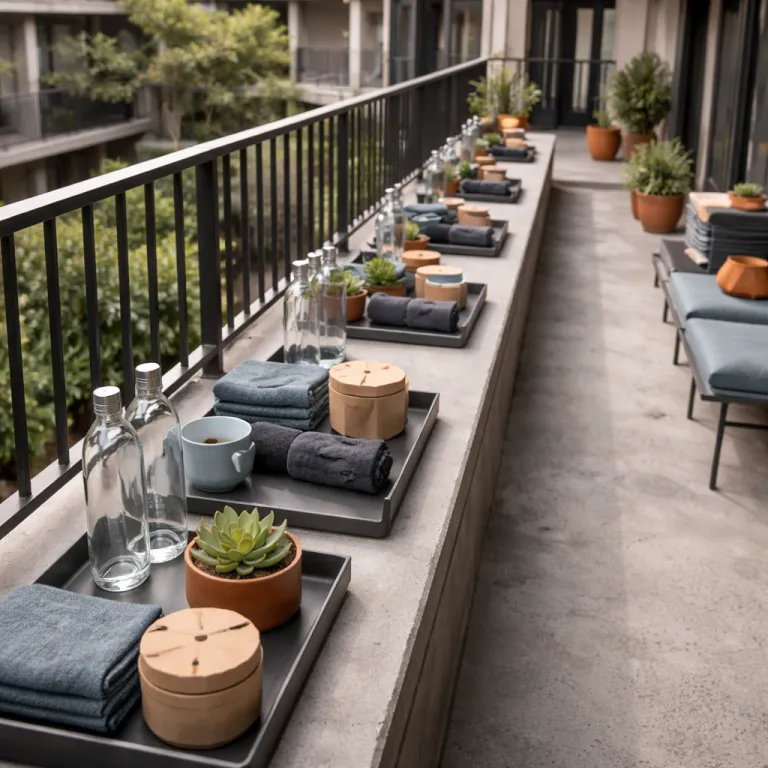
Walk into the guest rooms and count the plastics. A genuinely eco-friendly property will offer filtered water in glass, refillable amenities, real cups and perhaps organic cotton textiles, while still feeling indulgent enough for a romantic weekend. If you see compostable packaging used sparingly and clear in-room information about recycling and water use, you are likely in one of the best eco-minded hotels rather than a place that treats sustainability as décor.
Signal 4 : architecture that belongs to its landscape
Look at how the building meets the ground and the sky. At Azul Nomeolvides on the lagoon of Bacalar or Can Lluc Ecoresort in rural Ibiza, low-slung architecture, green roofs and natural materials help the structures disappear into the landscape while improving energy efficiency. This kind of design reduces the need for mechanical cooling, lowers the carbon footprint and creates a softer, more romantic atmosphere than any amount of themed decoration.
Signal 5 : wellness that is quietly low carbon
Finally, examine how wellness is integrated into the stay. Nomada Wellness Hotel in Sayulita and similar properties show that yoga decks, outdoor showers and cross-ventilated spa spaces can deliver sensual experiences with minimal energy use, especially when combined with renewable energy sources. If you are considering suites with private plunge pools, guides to energy-conscious plunge pool design can help you choose properties where water systems, energy management and intimacy are all handled with equal care.
From certifications to lived experience : how to research a sustainable romantic stay
Researching a sustainable romantic stay now requires more nuance than scanning for a green logo. The most reliable approach blends third-party verification, structural signals and your own priorities for romance, comfort and environmental responsibility. Think of it as curating your own sustainable, authentic hotel experience rather than outsourcing judgment to a single certification.
Start with the basics: check whether the hotel has any recognised certification such as LEED, Green Key or a national eco label, and whether the audits are conducted by an independent third-party organisation. Then read how the property talks about energy, water, waste and materials in its sustainability section, looking for specific numbers, timelines and references to renewable energy or carbon reduction rather than vague eco language. Guidance from the UN World Tourism Organization and the U.S. Green Building Council shows that hotels implementing eco-friendly practices focus on energy efficiency, water conservation and waste reduction as core methods.
Next, cross check those claims with visual evidence and guest feedback. Satellite images, property photos and guest reviews will show whether solar panels, shading devices, natural ventilation and green spaces are actually present, while comments about temperature comfort and noise hint at the quality of the design. When guests mention filtered water stations, organic amenities and thoughtful energy management in the same breath as candlelit dinners and quiet terraces, you are likely looking at sustainable hotels that have integrated sustainability into romance rather than bolting it on.
Finally, remember that the most persuasive definition still holds: “A hotel that minimizes environmental impact.” “Through energy efficiency and waste reduction.” “To support environmental conservation.” These simple statements from sustainable hospitality guidance cut through the noise of marketing and bring the focus back to operations, not slogans. For a solo explorer planning a romantic escape, the goal is not perfection but alignment, choosing friendly hotels where sustainability, intimacy and place are in balance.
Key figures shaping sustainable romantic hospitality
- Recent estimates from international tourism and climate bodies suggest that accommodation accounts for a significant share of travel-related CO2 emissions, which makes energy efficiency and renewable energy adoption critical for any romantic property claiming low-carbon luxury.
- The U.S. Green Building Council reports that thousands of hotels and resorts now participate in LEED and similar green building programmes, yet only a fraction translate that certification into visible reductions in single-use plastics, water waste and operational carbon footprint.
- Industry trend analyses show that properties integrating wellness with structural sustainability, such as adaptive reuse resorts and eco-conscious spas, report higher guest satisfaction scores than comparable hotels without such measures, reinforcing the commercial case for sustainable hospitality.