Choosing where to stay in Italy for a romantic escape
Planning where to stay in Italy starts with clarifying how you like to travel. Couples should think about whether they prefer a historic city, a quiet hill town, or a coastal retreat with sea views and easy day trips. This first decision shapes every later choice about accommodation, train connections, and overall budget.
Italy welcomes tens of millions of travelers each year, so selecting the right hotel or other accommodation options requires strategy. Begin by mapping your route between major hubs such as Milan, Florence, Rome, and Naples, then check how close each potential stay is to a main train station. A hotel located within a ten minute walk or just a few station minutes by local transport can save time, reduce stress, and leave more hours for the dolce vita you came to enjoy.
When comparing hotels Italy wide, look carefully at room types, breakfast policies, and the surrounding area. A double room in a romantic property near a historic center may cost more than budget accommodation on the outskirts, but the shorter minutes on foot to key sights often justify the higher price range. Travelers, hotel owners, and travel agencies all agree on three golden rules ; book in advance in busy seasons, consider location relative to attractions, and always read recent reviews before you stay.
Romantic city stays in Rome, Florence, and Milan
For many couples asking where to stay in Italy, the great cities are irresistible. Rome offers a timeless backdrop, especially around Piazza Navona, the Pantheon, Trevi Fountain, and the Jewish Ghetto, where every narrow street seems designed for an evening stroll. In Florence, a stay hotel experience near the Arno River or close to the Ponte Vecchio lets you walk hand in hand to galleries, wine bars, and candlelit dinners within minutes on foot.
Milan suits travelers who want fashion, design, and efficient transport during their stay. Choosing a hotel near the main train station means you can arrive, drop your bags in the room, and be in the Duomo area within a short minute walk or a few station minutes by metro. This is especially helpful if you plan day trips by train to Lake Como or other northern towns, because you avoid long transfers and keep your schedule flexible.
Couples with a defined budget should compare each city’s price range by neighborhood rather than by city alone. In Rome and Florence, central hotels may cost more, but the ability to reach landmarks on foot often reduces transport expenses and maximizes your limited time. If you are planning an adults only celebration abroad, you can also study formats such as an all inclusive micro wedding experience to understand how premium romantic services are structured, then apply similar expectations when you evaluate Italian properties.
Coastal romance from Cinque Terre to the Amalfi Coast
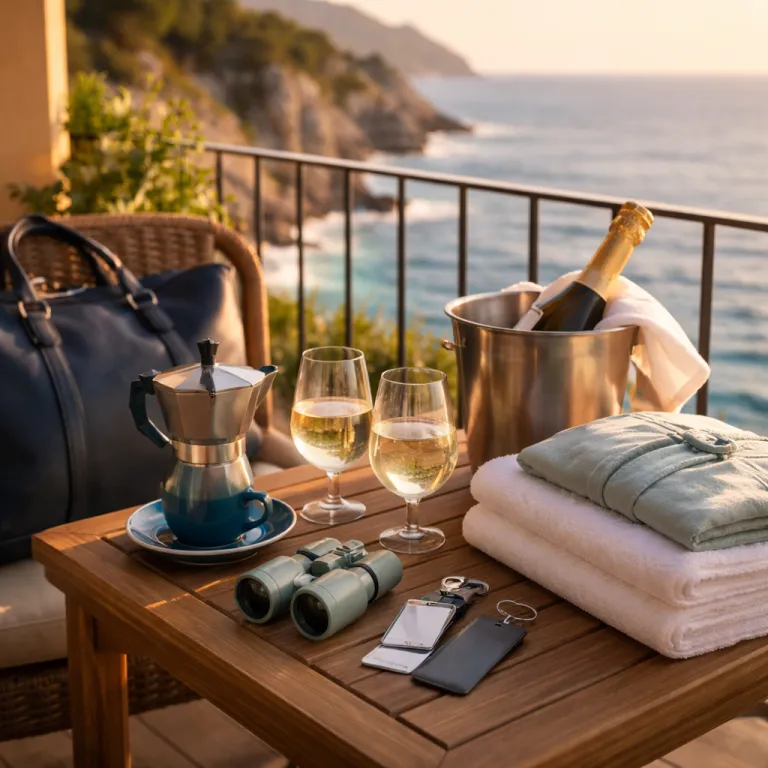
When couples picture where to stay in Italy for sea views, two names appear again and again. The Cinque Terre and the Amalfi Coast both offer dramatic cliffs, pastel towns, and a relaxed pace that suits a romantic stay. Each area has its own rhythm, so your choice of hotel and town will shape how you experience the coastline.
In the Cinque Terre, accommodation options range from simple rooms in family run properties to refined hotels with terraces overlooking the sea. Many travelers recommend staying in one village and using the train to move between the others, because the line connects the five towns in just a few station minutes. Check how far your chosen accommodation is from the local train station, since a steep ten minute walk with luggage can feel longer on hot days, especially after you have already stayed in several cities.
The Amalfi Coast, by contrast, stretches along a winding road where buses and boats complement the train network. Here, a stay hotel experience in Positano, Amalfi, or Ravello often includes a rooftop bar, a double room with a balcony, and long views that justify a higher price range. For couples planning a refined coastal escape, resources such as an Amalfi honeymoon package for a refined coastal escape can help clarify which services, transfers, and romantic extras you should expect from premium hotels Italy wide.
Hill towns, vineyards, and the charm of central Italy
Beyond the famous cities and coasts, many couples wondering where to stay in Italy are drawn to the countryside. The regions of Tuscany Umbria form a patchwork of vineyards, olive groves, and medieval towns that invite slower travel and longer stays. Here, the focus shifts from rushing between sights to savoring each day, each glass of wine, and each sunset over the hills.
San Gimignano is a classic example of a hill town where the choice of accommodation transforms your experience. A hotel inside the walls lets you wander quiet streets at night after day trips have ended, while a property in the surrounding area may offer larger rooms and a calmer atmosphere. When you compare accommodation options, weigh the romance of staying in a stone tower against the convenience of parking, the distance to the nearest train station, and how many minutes on foot you are comfortable walking with luggage.
Across Tuscany Umbria, many hotels provide generous breakfast spreads that encourage slow mornings and relaxed conversations. Couples with a tighter budget can still find budget accommodation in smaller towns, then use a train or rental car for day trips to wine regions and cultural sites. For inspiration on how premium romantic escapes are curated in other regions of the world, you might read about premium romantic hotels in the Caribbean, then apply similar criteria when choosing where to stay in Italy’s countryside.
Practical tips for trains, stations, and moving between cities
Efficient transport is essential when deciding where to stay in Italy, especially for multi city itineraries. The national rail network connects major hubs and many smaller towns, making the train a comfortable and often romantic way to travel. When you book a hotel, always check how far it is from the nearest train station and whether that distance is a realistic minute walk with luggage.
Some properties describe themselves as being only a few station minutes from the center, but this may refer to the train journey rather than the walk from the platform to your room. Read descriptions carefully and look at maps to understand whether you will need a taxi, a bus, or a ten minute walk after arrival. Couples who have already stayed in several cities often value a shorter transfer, because it leaves more time for a relaxed breakfast, a sunset drink on a rooftop bar, or an unhurried evening in the old town.
When comparing hotels Italy wide, factor in the cost of local transport alongside the nightly price range. A slightly more expensive double room near the station can be a better option than budget accommodation far from the center, especially if you plan multiple day trips. As one expert summary notes, “Book in advance during peak seasons. Consider location relative to attractions. Check reviews before booking.”
Matching budget, room types, and romantic expectations
Couples asking where to stay in Italy often balance romance with a realistic budget. Start by defining your overall price range, then divide it by the number of nights to understand what you can comfortably spend per stay. This simple calculation helps you decide when to choose a premium hotel and when to opt for more modest accommodation options.
Room type matters as much as location, especially for a romantic trip. A double room with a view, a balcony, or a freestanding bath can turn an ordinary stay hotel experience into a highlight of your journey. When reading descriptions, pay attention to whether breakfast is included, how large the room is, and whether there are quiet areas such as a rooftop bar or garden where you can unwind after a long day in the city.
Travel agencies and online platforms now use AI to match travelers with hotels that fit their preferences, from budget accommodation near a train station to luxury rooms in historic palaces. Still, human judgment remains essential, particularly when you evaluate reviews about noise, service, and cleanliness. Many seasoned travelers recommend staying in fewer places for longer, because unpacking once and settling into a neighborhood often creates a deeper sense of dolce vita than rushing between too many towns.
Sample itineraries and how to choose your perfect stay
To make decisions about where to stay in Italy more concrete, it helps to imagine sample routes. A classic first time itinerary might include Milan, Florence, the Cinque Terre, and Rome, linked entirely by train. In this case, you would prioritize hotels within a short minute walk of each main station, then choose neighborhoods that allow easy day trips and evening strolls.
Another romantic route could focus on the Amalfi Coast, Naples, and the hill towns of Tuscany Umbria. Here, you might stay in a coastal hotel with a rooftop bar for several nights, then move inland to a stone farmhouse near San Gimignano or another medieval town. By limiting the number of times you change accommodation, you reduce packing stress and gain more time to enjoy breakfast, explore the local area, and simply stay present with your partner.
For returning visitors, a slower itinerary centered on one region can be an excellent option, especially if you already know which city or town suits your style. You might choose a stay hotel experience in a small coastal town, then use trains and buses for day trips rather than moving hotels every night. Whatever route you design, the key is to align your choice of hotel, room type, and location with how you truly like to travel, so that every stay feels intentional, romantic, and worthy of Italy’s enduring allure.
Key statistics about romantic stays in Italy
- Italy offers approximately 33 000 hotels across its territory, giving couples a wide range of romantic accommodation options.
- More than 62 million tourists visit Italy annually, which makes advance planning essential for securing the most desirable rooms.
Questions travelers often ask about where to stay in Italy
What are the best areas to stay in Rome ?
Piazza del Popolo, Piazza Venezia, Spanish Steps, Trevi Fountain, Pantheon, Piazza Navona, Campo de’ Fiori, Jewish Ghetto.
Are there unique accommodations in Italy ?
Yes, options include trulli houses in Alberobello and masserie in Puglia.
Is it better to stay in hotels or vacation rentals in Italy ?
Depends on preferences; hotels offer services, rentals provide local experience.