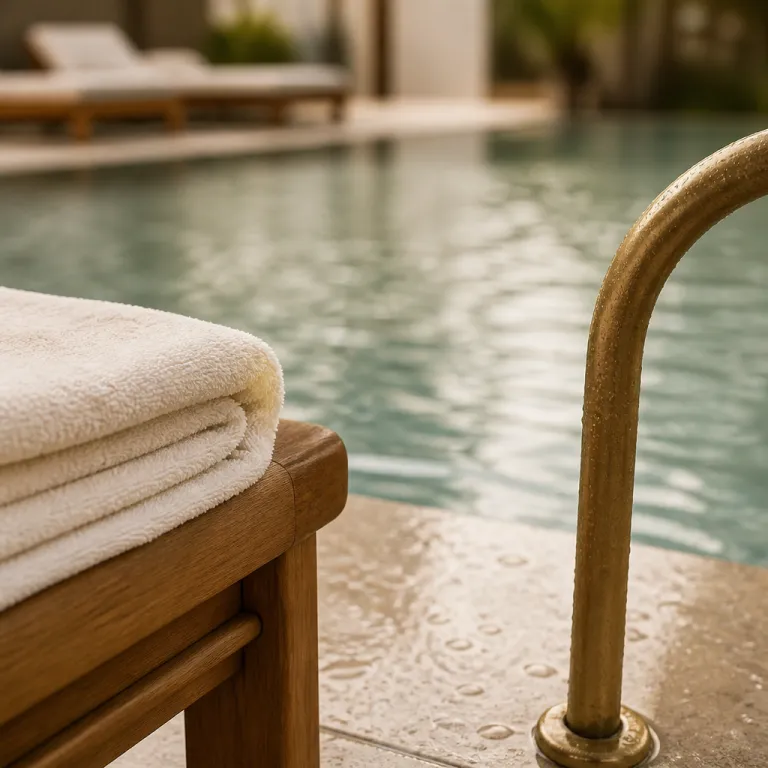
Quiet luxury as an operational model, not a mood board
A quiet luxury hotel with low guest density is no longer a niche fantasy for overworked travelers ; it has become a deliberate operating model. In the most forward thinking luxury hotels and hotels resorts, owners accept fewer guests, design more space per guest, and charge high rates for the privilege of silence and calm. This is quiet luxury as a form of luxury hospitality where the emptiest pool at five o'clock is the headline amenity, not the champagne tower in the lobby.
For couples and solo travelers, the shift is tangible in every stay, from the way a property is designed to the way staff manage flow through restaurants, pools, and paths to the private beach. A luxury hotel that commits to low density will often cap occupancy, limit non resident access, and treat every guest experience as something that must feel private even when the hotel is technically full. These hotels and resorts are not chasing volume ; they are curating a specific type of quiet stay where the absence of other guests is as carefully engineered as the thread count on the sheets.
Look at ultra luxury hotel brands on a private island in the Maldives or a low slung resort in the Cyclades, and you see the same pattern. The property is designed with more villas than rooms, more pathways than corridors, and more outdoor space than indoor public areas, all to keep guests apart in a way that feels natural rather than staged. For travelers using romantic-stay.com to explore picks and find perfect stays, the new question is not only which hotel brands feel luxurious, but which hotels offer genuinely low density as a core promise.
How hotels engineer calm: from occupancy caps to no music pools
Behind every quiet luxury hotel with low guest density sits a spreadsheet of hard choices about space, staffing, and rates. A property that chooses low density is deciding to host fewer guests in the same footprint, which means each stay must generate more revenue to sustain high service levels. The reward for travelers is a guest experience where you can walk into the spa, the library, or the adults only pool at five o'clock and still feel as if the place is yours alone.
Operationally, these hotels and resorts use several levers to keep things quiet, starting with strict maximum occupancy caps and limited day visitor access. Some luxury hotels schedule adults only hours at the main pool, designate no music zones near the water, and design pathways that separate rooms, suites, and villas so that guests rarely cross paths. Others rely on sound absorbing materials, deep planting, and generous setbacks between buildings, turning every terrace, private pool, or plunge tub into a cocoon where the only noise is the sea.
For couples planning a longer stay, the economics of low density intersect with new pricing models where five nights can cost less than seven when booked strategically. Properties that embrace quiet luxury often experiment with long stay offers that reward travelers who value time and space over constant activity, as explored in our guide to how luxury hotels reshape long stay pricing for couples. The result is a place to stay where the pool is never crowded, the restaurant never feels rushed, and the staff have the bandwidth to treat each guest as if they were the only one on property.
The economics of fewer guests and better service
Choosing a quiet luxury hotel with low guest density means paying for empty chairs, unused loungers, and unbooked tables, and that is precisely the point. A resort that runs at low density must balance fewer guests with higher rates, which only works when the guest experience feels unmistakably elevated from arrival to checkout. When it works, travelers sense the difference immediately in the way staff remember preferences, anticipate needs, and move at a pace that feels attentive rather than hurried.
From an owner’s perspective, the trade off is clear ; more guests at moderate rates can strain the équipe, while fewer guests at higher rates can sustain five star service without burning out the staff. Properties that embrace this model often invest in larger rooms, more outdoor space, and amenities like a private beach or private pool cabanas that justify the premium. They also tend to align with hotel brands that understand quiet luxury as a long term strategy rather than a marketing slogan, positioning themselves among the most top rated stays in their region.
For couples and solo travelers, this means that the perfect place to stay is often the one that looks almost too empty in photos, with wide lawns, long decks, and very few people in frame. These are the hotels and resorts where villas function like mini homes, a trend we unpack in our feature on why couples are booking entire pavilions instead of single rooms. When you explore picks and stays explore on romantic-stay.com, pay attention to how many rooms share each pool, how many loungers line each stretch of sand, and whether the property is designed for low density or simply happens to be quiet in low season.
Hushpitality for solo travelers: when quiet is the reason to go alone
For the solo explorer, a quiet luxury hotel with low guest density offers something different from the usual social resort script. Instead of being nudged toward group activities or loud entertainment, you are given permission to move through the property at your own pace, occupying generous space without explanation. The hush around the pool at five o'clock, the empty bar stool with a view, and the unhurried breakfast become the reasons to book the stay alone, not compromises you make despite being alone.
These properties are designed for privacy without isolation, which matters when you are traveling solo but still want to feel part of a subtle, like minded community. You might share a quiet nod with another guest crossing the boardwalk to the private beach, or exchange a few words with a fellow reader in the library, but the default setting is calm. In this version of luxury hospitality, the resort does not perform romance with rose petals ; it creates conditions where the moonlight on your private pool or the silence on your terrace makes conversation optional.
For solo travelers using romantic-stay.com to find perfect hotels and resorts, the filters that matter most are often the ones that speak to low density and quiet luxury rather than nightlife or events. Look for hotel brands that emphasize space per guest, limited children’s hours at the pool, and thoughtful details like in room dining that feels restaurant grade, so your room becomes a perfect place to stay in for the evening. When our editors explore picks and curate rated stays, we prioritize properties where the guest experience is built around respect for solitude, not the assumption that every traveler wants to be entertained.
What quiet luxury is not: expensive calm without austerity
Quiet luxury in a hotel with low guest density is not about bare rooms, white walls, and a monkish refusal of pleasure. It is about editing out noise, crowds, and unnecessary stimulation so that every sensory detail that remains feels intentional, from the softness of the robe to the way the path to the private beach curves away from the main pool. The best luxury hotels in this space understand that guests are paying for expensive calm, not for a lecture on minimalism.
That is why you will still find ultra luxury touches at these hotels and resorts, whether it is a private pool on your terrace, a high thread count linen on the bed, or a chef who remembers that you prefer your martini low on vermouth. What you will not find is constant background music, crowded buffets, or a daily schedule packed with compulsory activities that turn your stay into a performance. For travelers who care about sustainability that feels genuine rather than theatrical, our feature on sustainability without theater highlights properties where low density and quiet operations align with thoughtful environmental choices.
On romantic-stay.com, our mission is to explore picks, stays explore, and picks find that embody this version of quiet luxury across islands, coasts, and countryside retreats. We look for hotels resorts where the property is designed so that every guest can find perfect pockets of silence, whether that is a shaded daybed with beach access or a corner table in a bar that never feels crowded. When you scan top rated and rated stays on our site, focus less on the number of restaurants and more on how the space is used to keep guests apart in the most generous possible way.
FAQ
What does low guest density actually mean in a luxury hotel ?
Low guest density in a luxury hotel means that the number of guests is deliberately limited relative to the size of the property. You see this in larger rooms, more outdoor space, and fewer people sharing each pool, restaurant, or stretch of private beach. The result is a quieter guest experience where you rarely have to wait, queue, or compete for loungers and views.
Why are quiet luxury hotels more expensive than traditional resorts ?
Quiet luxury hotels with low density host fewer guests while maintaining or even increasing staffing and service levels, which raises the cost per stay. Owners recoup this by charging higher rates for the extra privacy, space, and calm that guests receive. Travelers are effectively paying for empty chairs, uncrowded pools, and the ability to move through the property without noise or congestion.
How can I tell if a property truly offers quiet luxury before booking ?
To assess whether a property genuinely offers quiet luxury, look beyond the décor and focus on layout, room count, and policies. Check how many rooms share each pool, whether there is a private beach or adults only areas, and how guests describe noise levels in recent reviews. Curated platforms like romantic-stay.com also highlight hotels and resorts where low guest density and calm are core to the concept, not seasonal accidents.
Is a low density resort a good choice for solo travelers ?
A low density resort can be an excellent choice for solo travelers who value privacy, space, and unhurried service. These properties are designed so that being alone never feels exposed or awkward, with plenty of quiet corners, in room dining options, and staff who respect boundaries. The atmosphere tends to attract like minded guests who appreciate calm, which can feel more welcoming than a party focused environment.
What should couples prioritize when choosing a quiet luxury stay ?
Couples seeking a quiet luxury stay should prioritize space per guest, access to private or semi private areas, and clear policies that support calm, such as limited event programming or adults only pool hours. Features like a private pool, beach access, or generous terraces can transform the guest experience, especially for romantic trips. When comparing options, focus on how the property is designed to keep guests comfortable and unhurried rather than on the sheer number of amenities.