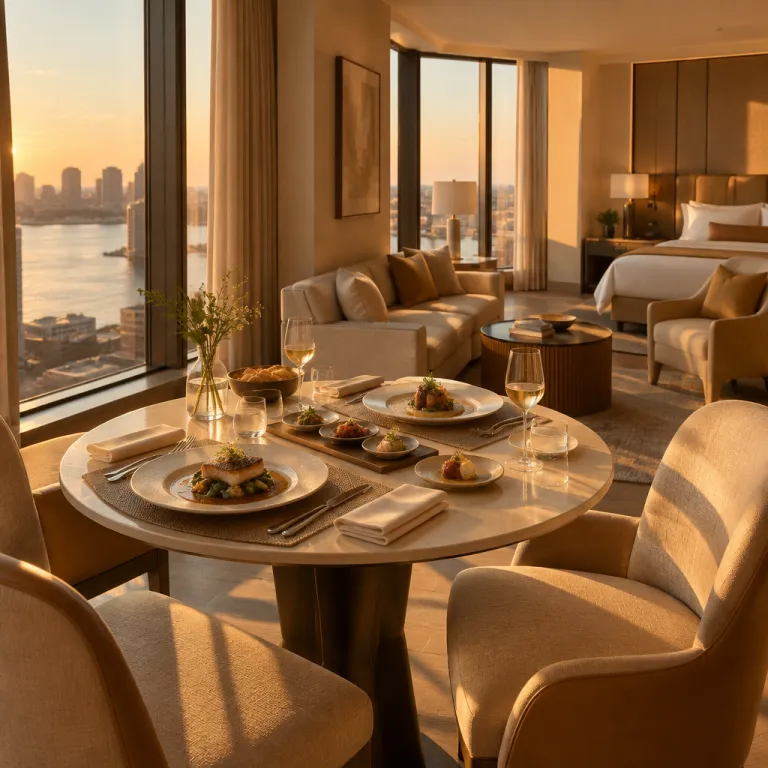
Why the most romantic table is often in your room
For many couples, private in‑room dining in a luxury hotel feels more intimate than any corner table in a crowded restaurant. The quiet knock at the door, the soft glide of a linen‑covered trolley and the way the outside world disappears can turn a simple dinner into a deeply personal occasion. When a hotel understands that the best table can be in your room or suite, it starts treating room‑service dinners as a stage for romance rather than an afterthought.
Privacy changes the emotional temperature of a meal, which is why a private dinner for two often carries more weight than a reservation at the best restaurant in the resort. You control the soundtrack, the lighting, the pace and even whether you speak at all, while the chef and service team work invisibly around your rhythm instead of the restaurant’s seating plan. For couples planning an anniversary escape or a proposal, that sense of a sealed romantic setting can make the difference between a pleasant dinner and a story you will tell for years.
Luxury hotels have started to recognise that dining is now a primary reason couples choose a place, not just a supporting amenity. The most forward‑thinking properties design rooms, suites and luxury suites with generous dining layouts, terraces that feature private tables and lighting that flatters both the food and the conversation. When you evaluate hotels for a special occasion, look beyond the spa and the gift shop and ask how the property handles bespoke in‑suite dining requests, because that is where the real romance usually lives.
From room service to ritual: formats that feel truly special
Not every tray that arrives at your room qualifies as the kind of in‑room dining luxury‑hotel couples remember. The difference lies in whether the hotel treats the meal as a ritual, with a narrative and a sense of theatre, or as a logistical task that simply moves food from kitchen to room. When you read about a property, look for details about formats such as in‑suite chef dinners, terrace feasts and wine‑cellar evenings rather than generic room‑service mentions.
Some of the most romantic formats include a chef‑hosted tasting in your suite, where a dedicated chef prepares a multi‑course menu in front of you while a sommelier pours champagne and quietly explains pairings. Others involve a single table set on a private terrace, a garden corner or a rooftop that features private views of the city, with the restaurant kitchen sending courses at your pace and the team adjusting to weather or mood. Wine‑cellar dinners, where the hotel opens a hidden space for just two guests, can feel like stepping into a secret chapter of the resort, especially when the menu is built around rare bottles you view menu‑style with the sommelier before the evening.
On romantic‑stay‑focused platforms, you will often see these experiences highlighted as the best reason to book a particular hotel, sometimes even before the spa or the pool. Our own editorial on hotels where couples book the table first and the bed second shows how dining now drives destination choice for many readers. When a unique hotel offers both strong hotel suites and imaginative private dining formats, it usually earns a place on shortlists for proposals, milestone birthdays and every anniversary‑perfect weekend you are quietly planning months ahead.
How to tell if it is more than room service with a tablecloth
Couples often ask how to separate genuine private in‑room dining at luxury hotels from standard room service dressed up with candles. The most reliable indicator is whether the hotel has a clear process for menu planning, with a named chef or maître d’hôtel who will speak with you in advance about your tastes, allergies and the story you want the evening to tell. When a property can share concrete details about timing, staffing and how the dining‑room setup will work inside your suite, you are usually in safe hands.
Another sign is the level of flexibility around the menu and the wine list, because true private dining is almost always built off‑menu rather than limited to the standard restaurant card. Ask whether the chef can create a tasting menu that is not available in the main restaurant, whether champagne pairings can be tailored and whether the team can arrange a late‑night continental‑breakfast‑style course if you prefer something lighter after several plates. Properties that take this seriously often have partnerships with luxury purveyors and will be transparent about the cost premium, which industry reports from firms such as JLL Hotels & Hospitality and STR place at roughly two and a half times standard room dining for similar ingredients in full‑service luxury properties.
Look too at how the hotel uses its spaces, from luxury suites to more compact rooms and junior suites, because a unique hotel that truly values intimacy will design layouts that feature private corners for dining, not just desks repurposed as tables. Our coverage of how meeting rooms can be transformed for romance at King Street Townhouse in Manchester, available through this guide to rethinking the family dining floor and chef’s table spaces, shows how creative programming can turn functional rooms into romantic settings. When a property is willing to reimagine spaces for couples, it usually means your in‑room dinner will feel curated rather than improvised.
The conversation to have before you book the invisible table
Once you have shortlisted a few hotels, the next step is to speak directly with the concierge or the food and beverage team about private in‑room dining options for couples. This is where you move from marketing language to operational reality, and where the right questions will help plan an evening that matches your expectations and budget. A good starting point is to ask who will be responsible for your dining experience, whether a specific chef will be assigned and how many staff will enter the room during the evening.
From there, move to the menu and the rhythm of service, because intimacy often depends on how invisible the team can be while still keeping plates hot and champagne cold. Ask whether you can view menu drafts in advance, whether the chef is comfortable cooking off‑menu dishes that matter to your relationship and how the hotel handles pacing if you want long pauses between courses. Clarify practical details such as tipping norms, the duration of the experience, any special offers for multi‑night stays and whether the gift shop can arrange small touches like flowers or a framed photo delivered to the room after dessert.
It is also worth discussing timing, seasonality and weather contingencies if your private dining will take place on a terrace, beach or garden rather than inside the suite. Ask how the resort handles sudden rain, wind or heat, whether there is a backup dining room or indoor space that features private alcoves and how quickly the team can reset the table if plans change. Hotels that answer these questions clearly, and that are honest about what they can and cannot do, tend to deliver the most reliable experiences for a special occasion such as a proposal, vow renewal or quiet anniversary‑perfect night in.
Reading the kitchen: can this hotel really cook for two in secret ?
Even the most beautifully staged private in‑room dining setup will fall flat if the kitchen cannot execute beyond the standard menu. Before you commit to a high‑cost evening, take time to learn how the restaurant operates at peak hours, how the team handles dietary requests and whether the chef seems energised by the idea of cooking for just two people. If you are staying several nights, use the first evening to test the restaurant or bar menu and pay attention to seasoning, temperature and timing, because those same skills will shape your private dining later.
Some couples like to request a brief meeting with the chef or the sous‑chef, especially in properties where in‑suite dinners are a known strength. In certain hotels, a named figure such as chef Scott might oversee these experiences, while in others an unknown chef or a rotating guest chef will take the lead, and both models can work if the communication is clear. As one internal guidance note in the luxury sector puts it without embellishment, “Is this legal or allowed by hotels? Usually permitted under luxury brand terms with extra fee. How much does it cost? Often much higher than room service; depends on ingredients and chef. Can I request specific dishes? Yes; customization common with lead‑time guidance.”
Finally, consider the whole ecosystem of the hotel, from the spa to the bar to the way breakfast is handled, because these small signals often reveal how the team thinks about hospitality. A property that turns a simple continental breakfast into a small ceremony, that keeps the gift shop curated rather than cluttered and that designs hotel suites with lighting that flatters faces is usually the kind of place that will stage a memorable private dinner. Whether you are in a city address such as a hotel in Chicago or a remote resort with only a handful of suites, the most romantic setting is almost always the table nobody else sees, where the details private to your story matter more than any public show.
FAQ
How far in advance should we book a private in room dinner for two ?
For most luxury hotels, arranging private in‑room dining experiences for couples at least two to four weeks ahead is ideal. This gives the team time to secure special ingredients, schedule the right chef and plan discreet service that fits your preferred timing. For peak dates such as Valentine’s Day or major holidays, aim for a longer lead time and confirm all details in writing.
What does a typical private in room dining menu include ?
A well‑designed menu for private dining usually includes three to five savoury courses and a dessert, often starting with champagne and small bites before moving into a shared main course. Many hotels will offer to share menu drafts by email so you can adjust dishes, wine pairings and any special‑occasion touches such as personalised desserts. Some couples also request a light continental breakfast delivered the next morning as part of the same package, especially in resort settings.
How much more expensive is private in room dining than regular room service ?
Industry data suggests that a fully staged private dining experience with a dedicated chef and server often costs around two and a half times more than standard room dining for similar dishes. The premium reflects the extra staffing, setup in the suite, off‑menu ingredients and the time the team spends to help plan the evening. Costs rise further if you request rare wines, extended tasting menus or elaborate décor in the room.
Can we request specific dishes or a favourite chef for our dinner ?
Most luxury hotels encourage couples to request specific dishes, family recipes or flavours that matter to their relationship, as long as they provide enough lead time. If the property has a signature figure such as chef Scott or another named chef, you can usually ask whether that person is available for your date, although this may add to the fee. Clear communication about allergies, preferences and the overall mood you want will help the kitchen design a dining experience that feels personal rather than generic.
What happens if the weather changes during an outdoor private dinner ?
Well‑prepared hotels always have a contingency plan for outdoor private dining, especially on terraces, beaches or gardens. The team will usually pre‑set an indoor dining room or a corner of your suite that features private space, so they can move the table quickly if rain or wind arrives. When you book, ask the concierge to explain the backup plan in detail so you know your evening will feel seamless even if the forecast shifts.
Sources
For further reading on luxury hotel dining and personalised travel experiences, consult International Traveller, Condé Nast Traveler, Forbes Travel Guide and annual hospitality reports from JLL Hotels & Hospitality and STR.