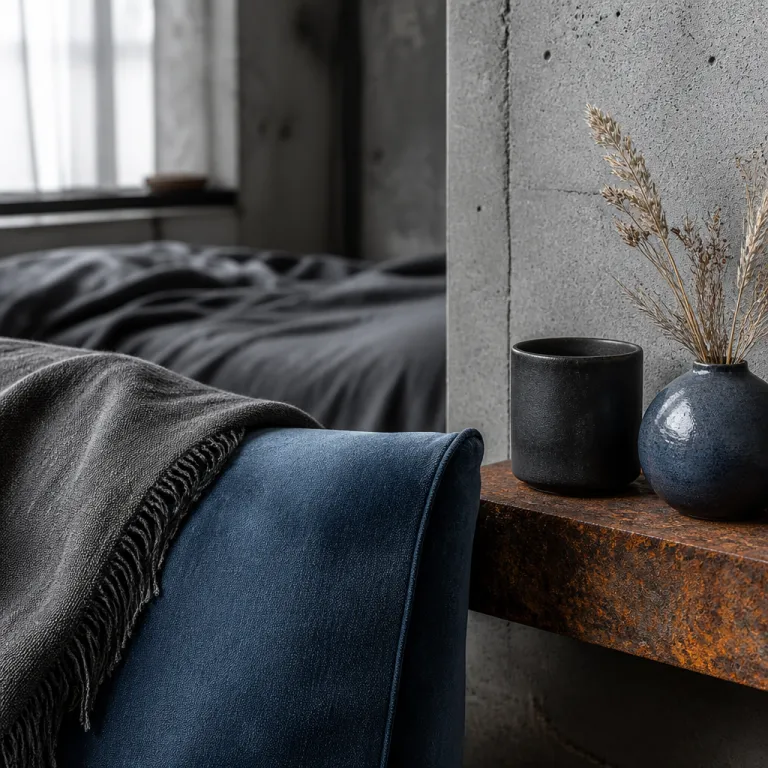
Residential design luxury hotel suite: when a room feels genuinely lived in
A residential-style luxury hotel suite starts with a simple ambition: it should feel like you have borrowed a beautiful apartment, not checked into a standardized property. In the best luxury hotel projects, owners now brief their design firms with references pulled from real homes, asking for suites that look collected over time rather than installed in one afternoon. For couples planning travel, that shift changes everything, because the hotel room becomes a stage for intimacy instead of a neutral container for luggage.
In practice, this means a suite with real bookshelves, readable novels, and decor ideas that go beyond generic coffee table tomes. You notice non matching furniture, a linen covered sofa next to a vintage chair, and room decor that feels curated rather than coordinated, which instantly softens the hotel interior and makes the suite luxury atmosphere feel less performative. Even in expensive hotel categories, the most luxurious hotel experiences now rely on subtle interior design moves, like a slightly scuffed wooden coffee table or a lamp that casts warm, domestic light across the bedroom.
Industry reports suggest that around two thirds of hotels are adopting some form of residential sensibility, and the expected impact is higher guest satisfaction and loyalty. A 2023 Skift and Accor survey on evolving guest expectations, for example, found that roughly 70% of guests prefer “home-like” rooms with softer materials and layered lighting over more formal layouts, and STR’s trend brief on lifestyle hotels notes similar preferences in the upscale and luxury segments. CBRE’s “Hotel Horizons” commentary on design-led renovations echoes this shift, highlighting that properties which lean into residential style often see stronger intent-to-return scores alongside modest rate premiums. When you choose a design hotel that embraces this apartment-like mood, you are effectively choosing a temporary home, and that psychological shift makes every room design decision feel more personal.
What residential really means: from bedroom layout to bathroom rituals
Residential design in a luxury hotel suite is not about adding a throw blanket and calling it a day. It is about rethinking the entire interior so that the bedroom, living room, and bathroom work together like a small city apartment, with spaces for conversation, solitude, and shared rituals. The best suites use interior design software and careful market research to map how couples actually move through rooms, then translate those patterns into generous circulation and intuitive storage.
Look at the bedroom design first; in a truly residential design luxury hotel suite, the bed is not always centered as a shrine, but sometimes angled toward a city view or tucked into a niche that feels cocoon like. You might find a low bookcase acting as a headboard, or a bench at the foot of the bed that invites you to unpack properly, which turns anonymous hotel rooms into believable bedrooms. In these hotels, the bathroom becomes a second living space, with double vanities, walk in showers, and decor ideas like framed art or a small stool that make the room luxury feel quietly domestic.
Couples who love nature driven spaces often pair this residential mood with biophilic elements, choosing properties where a garden terrace or planted balcony extends the hotel interior into the open air. CBRE’s 2022 “Hotel Horizons” commentary on urban assets notes that suites with outdoor access and greenery can command rate premiums of 10–20% in dense city markets, and internal brand data from several global groups echo that uplift. When you combine that kind of thoughtful room design with a residential layout, the result is a suite hotel experience that feels both restorative and quietly sensual.
The invisible tension: homelike comfort, hotel level service
Behind every residential design luxury hotel suite there is a design tension: how do you create a home like environment while preserving the invisible infrastructure that makes a hotel work. Hotel designers are innovators here, working with design firms and furniture manufacturers to hide technology, integrate storage, and maintain service access without breaking the illusion of a private apartment. Guests expect homelike hotel environments, but they also expect the minibar to be restocked and the sheets to be changed without ever seeing a trolley in the corridor.
That is why the best luxury hotel projects use materials and layouts that support both romance and operations, such as sliding panels that conceal service cupboards or wardrobes that open from both the bedroom and the hallway. In a well planned hotel suite, you might never notice the discreet door that allows housekeeping to refresh the bathroom while you linger over coffee in the living room, yet that detail is what keeps the experience effortlessly luxurious. This is where hotel interior expertise matters; hotel owners who invest in thoughtful interior design tools and methods tend to deliver smoother, quieter stays.
For couples, the benefit is simple but powerful, because the space feels like it belongs entirely to you, even though a whole équipe is working behind the scenes. Our feature on the architecture of intimacy and how buildings create privacy explores this further, showing how walls, thresholds, and sightlines can make conversation feel safer and touch feel more natural. When that architectural thinking meets residential decor ideas, you get hotel rooms where the romance is supported by the layout, not just the lighting.
Why couples seek suites that feel personal, not institutional
Couples gravitate toward residential design luxury hotel suite options because intimacy thrives in spaces that feel personal. A standard hotel room, with its identical furniture and predictable decor, can make even a special trip feel like a repeat performance, while a residential style suite luxury layout suggests that this stay is unrepeatable. When the hotel interior looks like someone’s thoughtfully edited apartment, you instinctively lower your guard, speak more freely, and let the evening stretch.
Psychologically, a home like hotel suite signals safety and belonging, which matters when you are far from your own bedroom and daily routines. Soft linen instead of crisp polyester, wood instead of laminate, and a slightly uneven ceramic lamp instead of a chrome fixture all act as honesty signals that the luxury hotel cares more about atmosphere than about easy maintenance. Those material choices, combined with warm room decor and layered lighting, help transform hotels into places where couples can build their own rituals, from slow mornings in the living room to long baths in a generous bathroom.
Designers like Kelly Wearstler in Los Angeles or Ilse Crawford in London often talk about “emotional ergonomics”: the way a room quietly encourages certain behaviors. In post-stay surveys shared at conferences by brands such as Marriott’s Autograph Collection and Hyatt’s Unbound Collection, guests consistently rate suites with residential layouts higher for “connection” and “relaxation” than more conventional rooms. For solo explorers and pairs alike, this is where travel becomes less about ticking off sights and more about inhabiting a city.
The lobby living room and the risk of template residentiality
The residential design luxury hotel suite trend does not stop at the guestroom door; it has transformed lobbies into living rooms. Instead of marble and chandeliers, you now walk into couches, coffee tables, and sometimes no visible reception desk at all, which makes arrival feel more like entering a friend’s apartment than crossing a hotel threshold. Minimalist hotel interiors, softened by warm color palettes and local art in the decor, encourage guests to linger, work, or flirt in spaces that once served only as transit zones.
Material choices are central here, because linen over polyester and wood over laminate read as deliberate, not accidental. Designers talk about “perfect imperfection” as a marker of considered taste, where a slightly worn rug or mismatched chair set tells you that someone edited the room design with care, rather than ordering a package from a catalog. As one industry summary from STR’s hotel design outlook puts it without embellishment, “Why are hotels adopting residential designs? To enhance guest comfort and satisfaction,” and “What features define these new hotel designs? Home-like furnishings and warm color palettes.”
There is a risk, though, that residential style becomes just another template, with the same books, the same linen, the same neutral rooms repeating from city to city. When every design hotel looks like the same expensive hotel apartment, the promise of a dream stay collapses into déjà vu, and couples start seeking more idiosyncratic suites again. The most interesting hotels resist this by grounding their decor ideas in local stories, commissioning art from nearby studios, and shaping each hotel room and hotel interior around the specific city view outside the window.
How to choose a residential style suite that actually suits you
Choosing a residential design luxury hotel suite starts with reading between the lines of the photos and descriptions. Look for evidence of real interior design thinking, such as separate zones for sleeping, lounging, and working, rather than one oversized bedroom with a decorative chair. Pay attention to the bathroom layout, because a well designed bathroom often signals that the hotel owners have invested in overall room luxury rather than just surface level decor.
When comparing suites, ask yourself whether the room decor feels specific to that city or could belong anywhere. A luxury hotel that shows shelves with local ceramics, framed neighborhood photography, and a mix of old and new furniture is more likely to deliver a genuinely residential suite luxury experience than a property that repeats the same beige palette across all hotel rooms. If you see kitchenettes, dining tables, or window seats in the photos, those are strong design ideas that the space is meant to be lived in, not just slept in.
Finally, align the ideas hotel teams promote with your own rituals, whether that means slow breakfasts in the bedroom, long evenings in the living room, or deep baths after late night walks through the city. Solo travelers and couples who value privacy might prioritize a design hotel with fewer rooms and more generous suites, while social guests may prefer hotels with lobby living rooms that feel like shared apartments. Either way, the goal is the same: to find a suite hotel where the interior, the city view, and the quiet luxury of the room design make you feel, for a few nights, as if you truly live there.
FAQ
What defines a residential style luxury hotel suite for couples
A residential style luxury hotel suite for couples is defined by an interior that feels like a thoughtfully curated apartment rather than a standardized hotel room. You will usually find distinct zones for sleeping, lounging, and sometimes dining, along with home like decor such as books, textiles, and art that is not bolted to the wall. Materials like linen, wood, and soft lighting help create an intimate atmosphere that supports conversation and shared rituals.
How can I tell from photos if a hotel room will feel homelike
Photos of a hotel room that feels homelike usually show more than just the bed and a desk. Look for signs of real room design, such as a comfortable sofa, a reading chair by the window, layered lighting, and decor ideas like books or ceramics that appear chosen rather than generic. If the images reveal a generous bathroom, a mix of furniture styles, and a lived in sense of space, the suite is more likely to deliver a residential experience.
Why are so many hotels adopting residential design elements now
Hotels are adopting residential design elements because guests increasingly seek comfort and familiarity during their travel, not just visual drama. Industry data from sources such as Skift, Accor, STR, and CBRE indicates that a significant share of hotels now use home like furnishings and warm color palettes to enhance guest satisfaction and loyalty. This shift also helps properties differentiate themselves in a crowded luxury market by offering suites that feel emotionally engaging rather than purely impressive.
Are residential style suites more expensive than standard rooms
Residential style suites are often priced above standard rooms, reflecting their larger size, more complex interior design, and higher quality materials. However, they can offer better value for couples who plan to spend substantial time in the room, because the space functions as a temporary home with areas for work, relaxation, and dining. When comparing rates, consider not only the nightly price but also how much of your stay you intend to invest in the hotel interior itself.
What should solo travelers look for in a residential design hotel
Solo travelers should look for a residential design hotel that balances privacy with a sense of belonging, such as properties with cozy lobby living rooms and well planned suites. Features like window seats, compact kitchenettes, and thoughtful room decor can make a hotel suite feel like a personal retreat between explorations of the city. Reading reviews that mention comfort, quiet, and layout can help confirm that the residential design works as well in practice as it does in photos.