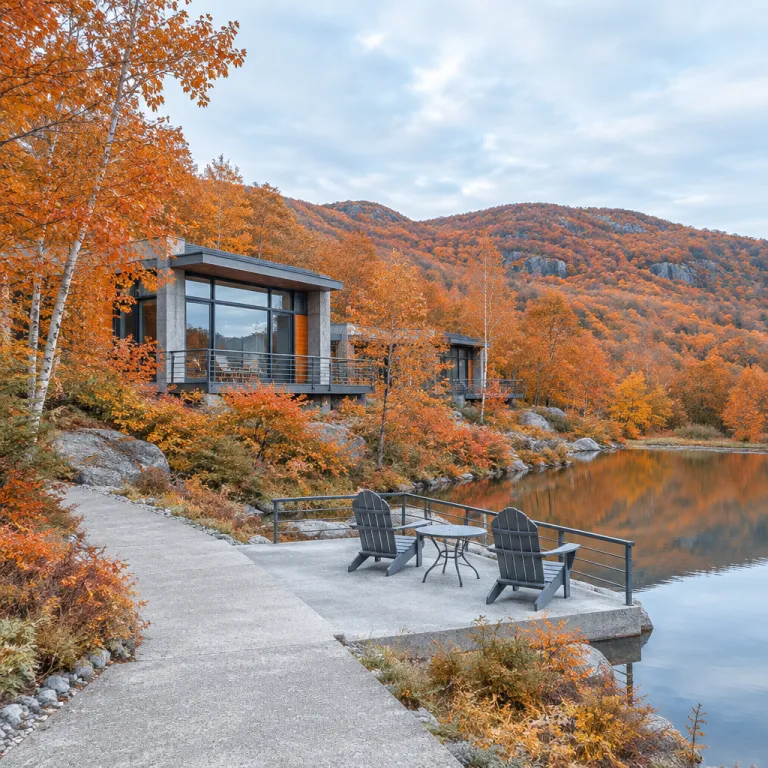
Why autumn is the quiet season for serious romantics
Autumn is when light softens, temperatures calm, and conversations lengthen. Compared with summer, a romantic fall stay offers cooler evenings, fewer families on the road, and a slower rhythm that makes every view feel more intimate. For couples seeking peaceful fall foliage escapes and romantic hotels that favor quiet over poolside noise, this is the time when the world finally lowers its voice.
Think of a long weekend in a small town where the last café tables spill onto cobbled streets under copper trees. You walk back to one of the region’s historic inns at dusk, the air crisp enough to justify a fire yet mild enough to linger on the terrace with a glass from nearby vineyards. That balance between warmth and edge is what makes a fall getaway structurally more romantic than any high summer escape.
Traveler density matters just as much as color when you plan romantic getaways. In peak summer, the same country roads and national scenic routes that feel cinematic in October can become slow moving convoys of rental cars. By contrast, when you experience fall in shoulder season, a scenic byway or river valley that usually feels overrun becomes a private backdrop for two.
Thoughtful hoteliers who specialize in quiet, romantic fall stays understand that romance is not only about the room but about the timing of your visit. They will guide you toward mid October dates when fall foliage is near its typical peak yet the crowds have already thinned, often drawing on state tourism foliage trackers and long running local records. The best places to stay in this season often sit just beyond the famous state park gates, where you can still access hiking trails and lakes but return to a calmer, more grown up atmosphere.
Look for properties that lean into the season rather than pretending it is still summer. A truly romantic fall hotel will have sheltered terraces, deep armchairs by real fireplaces, and dining rooms that glow at dusk instead of relying on pool decks and loud bars. When you read any article promising the best fall getaway, check whether the images show high sun and green trees; that is a classic foliage marketing trap.
Another subtle advantage of quiet, autumn focused hotels is the way sound travels. With windows closed against the chill and fewer guests in house, you hear the river valley outside, not corridor chatter. That acoustic privacy, combined with earlier sunsets, makes even a modest room feel like a cocoon where time stretches long beyond its actual hours.
How to choose foliage without the crowds
Escaping the leaf peeper queues starts with geography, not hashtags. When you plan to experience fall color, favor second cities and lesser known river valley regions over the most photographed national scenic drives. Altitude and latitude shape peak time; a hotelier who can explain their typical mid October shift in tones, and who checks state tourism foliage reports or National Weather Service updates, is more useful than any Instagram or YouTube feed.
In New England, that means looking beyond the obvious icons. Instead of the busiest parts of postcard perfect New England style villages, consider a small town in the Litchfield Hills of Connecticut, where coastal energy meets inland calm and the inns are used to hosting couples rather than tour buses. Towns such as Kent, Washington Depot, and Litchfield sit around 500–1,000 feet in elevation, which usually brings peak color in early to mid October according to the Connecticut Office of Tourism and regional foliage maps. Here, hiking trails thread through quiet woods, and the best view is often from a porch swing rather than an overlook packed with tripods.
Coastal Connecticut can be especially rewarding for romantic autumn foliage trips because the season lingers. While inland peaks early, the coastal air keeps leaves longer, so you can plan a romantic fall stay when prices have softened and the beaches are almost empty. A place that combines vineyards, a sheltered lake, and access to a state park will give you both color and water without the summer density.
Booking strategy matters if you want a getaway filled with space rather than crowds. Reserve three to four weeks before the expected peak, then stay flexible within a two or three day window in case the fall foliage arrives early or late. For couples planning a serene last escape before parenthood, this shoulder season timing aligns beautifully with the kind of elegant babymoon destinations highlighted in curated babymoon hotel guides, where quieter midweek dates and late checkouts are often emphasized.
When you research places to stay, pay attention to how properties talk about the season. A thoughtful article on their site about how guests experience fall, including specific hiking trails and scenic byway drives, signals real expertise rather than generic marketing. Cross check their foliage claims against regional tourism boards or long running weather records, which tend to be more reliable than YouTube or Pinterest montages.
Finally, be wary of any romantic fall hotel promise that leans too heavily on drone footage. A truly romantic fall experience is ground level; it is the crunch of leaves on the path back from the vineyards, the way the lake mist lifts as you finish breakfast, the quiet of a town square after the day trippers have gone. Choose the country places that speak in those details, and you will feel the difference the moment you arrive.
Where quiet luxury hides: from Connecticut hills to wine country valleys
Some of the most atmospheric romantic autumn retreats are hiding in plain sight. They sit just off the main scenic byway, in a small town that the tour buses skip, or on the less obvious side of a lake where the road dead ends. These are the places where a fall getaway feels like a secret shared between two people rather than a social media event.
In Connecticut, the Litchfield Hills remain one of the best examples of this quieter rhythm. Here, country inns with only a handful of rooms look over meadows that roll toward a river valley, and the nearest state park is close enough for morning hiking trails yet far enough that you never hear its parking lot. Many of these places to stay have long histories, but their current teams understand the trend toward quiet luxury and design the experience accordingly.
Think of a long weekend where you experience fall by moving slowly between vineyards and water. Morning might mean a drive along a national scenic route that skirts the lake, with a stop at a farm stand for late season apples and local wine country bottles. Afternoon becomes a lazy stretch on a terrace with a book, while the town below prepares for an unhurried dinner service rather than a rush of day visitors.
Outside New England, lesser known wine country regions can be just as romantic in this season. A river valley lined with vineyards in Virginia or Oregon offers the same blaze of foliage with fewer crowds and often more progressive dining. For couples who enjoy following under the radar destinations, the spirit is similar to the hidden romantic addresses highlighted in guides to unsung romantic destinations, where you might discover a hillside inn above Oregon’s Willamette Valley or a farm stay near Virginia’s Shenandoah foothills.
Fall focused boutique hotels in these regions tend to prioritize atmosphere over spectacle. Expect candlelit dining rooms where the best view is of your partner framed by a window of dark trees, not a stagey photo wall designed for Instagram or YouTube moments. The most romantic getaways here are defined by how they feel at 21.00 on a Tuesday in October, not how they look in a marketing shoot.
When you read any article ranking the best New England style towns or American foliage escapes, look for mentions of shoulder season, mid October nuance, and the reality of weather. A place that admits some years are brighter than others is usually more trustworthy than one promising guaranteed color. Quiet luxury in autumn is about accepting that nature sets the schedule and choosing hotels that know how to make every kind of day feel like the right one.
What sets an autumn minded romantic hotel apart
The most successful romantic hotels for autumn share a specific design language. Rooms are oriented toward the landscape, so you can wake to a view of trees, a lake, or a river valley rather than a parking lot. Public spaces are layered with textures that make you want to linger long after breakfast.
Pay attention to how a property uses its indoor and outdoor thresholds. A terrace that can be glassed in on cool evenings, or a conservatory style lounge that catches the last light, extends the time you can spend almost outside without shivering. Fireplaces that actually work, rather than purely decorative ones, turn a simple stay into a getaway filled with slow conversations and shared silence.
Service style also shifts in the best fall focused romantic hotels. Staff understand that couples are here to experience the season at their own pace, not to be rushed into activities, so they offer hiking trails, scenic drives, and wine country tastings as options rather than obligations. Menus lean into the season with local produce, and breakfast times stretch late enough to accommodate long nights.
Food has become a decisive factor in choosing romantic getaways for this season. Increasingly, couples are booking hotels where the kitchen drives the decision, seeking properties that echo the chef led stays explored in in depth chef residency features. When the restaurant is strong, a rainy fall day becomes an excuse to stay in, open a bottle from nearby vineyards, and let the outside world fade.
Digital culture shapes expectations, but it should not dictate your choice. A hotel that photographs well for YouTube, Pinterest, or Instagram is not automatically right for a romantic fall escape if its walls are thin or its bar is loud. Prioritize floor plans, soundproofing, and the orientation of rooms toward quiet corners of the property over the most dramatic lobby shot.
Finally, trust your instincts when you read any article or listing. If the language leans heavily on generic superlatives like best or most romantic without mentioning concrete details such as state park proximity, national scenic routes, or specific small town neighborhoods, keep scrolling. The hotels that truly understand romantic autumn stays will talk about the exact time the light hits their river valley, the way fog lifts off their lake, and how it feels to be the last couple lingering by the fire.
FAQ
When is the best time to plan a quiet autumn foliage stay ?
For most temperate regions, the best time to plan a quiet autumn foliage stay is from late September to mid October, when colors are strong but peak weekends have not yet drawn maximum crowds. In higher altitude areas, foliage often peaks earlier, so booking three to four weeks before the expected high color window gives you flexibility. Always check recent local reports rather than relying on old averages, because weather patterns can shift the season by a week or more.
How far in advance should couples book romantic fall getaways ?
Couples should book romantic fall getaways at least four to six weeks in advance for popular regions, especially in New England and well known wine country areas. For quieter river valley or coastal towns, three to four weeks is usually enough to secure the best rooms with strong views. Last minute deals exist, but they rarely align with peak color and often leave you with less romantic room categories.
What features make a hotel especially good for autumn stays ?
Hotels that excel in autumn usually offer real fireplaces, generous lounges with large windows, and terraces that can be used in cooler weather. Proximity to hiking trails, lakes, or vineyards adds easy daytime structure without long drives. Strong seasonal dining and thoughtful lighting in public spaces turn early sunsets into an asset rather than a limitation.
Are coastal destinations worthwhile for fall foliage trips ?
Coastal destinations can be excellent for fall foliage trips because the season often lasts longer near the water. Trees may change later than inland, which means you can enjoy color with fewer visitors and milder temperatures. Coastal Connecticut and similar regions combine charming seaside towns, water views, and nearby state parks, creating a layered experience beyond pure leaf peeping.
How can I avoid overcrowded viewpoints during foliage season ?
To avoid overcrowded viewpoints, aim for sunrise or late afternoon visits and choose secondary overlooks rather than the most famous platforms. Ask hotel staff for local scenic byway detours, lesser known river valley walks, and quiet lake shores that do not appear in every guide. Traveling midweek instead of over weekends also dramatically reduces the number of people sharing your view.